Roof Insurance Claims
Roof insurance claims, what is covered, and what changes the answer
Almost every page on this subject explains how to file a claim. Almost nobody explains the three clauses that decide what you are actually paid: the wear-and-tear line, the settlement basis, and the payment schedule buried in an endorsement. This page is written by a referral service that is not an insurer, not a public adjuster and not a law firm, we have no interest in whether your claim is paid.
(844) 833-2185Toll-free and answered every day of the year. The call reaches an independent licensed and insured roofing company covering your area, we do not do the work ourselves, which is exactly why we can tell you when you do not need it.
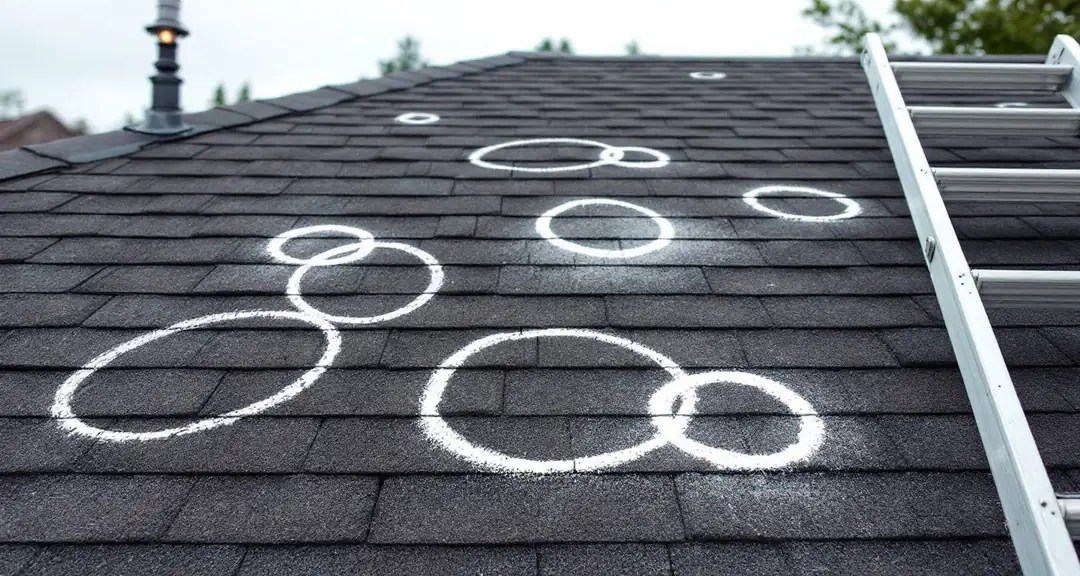
Four things that decide a roof claim
- Cause, not condition. A policy pays for sudden damage from a covered peril. It does not pay for a roof that wore out. Most denials happen on that line, and both sides are arguing about the same photographs.
- Settlement basis. Replacement cost and actual cash value are different products. As roofs age, some carriers switch you to the second one, the Texas Department of Insurance says so in plain words.
- The schedule you did not read. Some policies carry an endorsement that pays a fixed percentage by roof age. On one real filed form, an asphalt roof at fifteen years is paid at 40%, of the whole job, not just the shingles.
- The deductible is probably a percentage. Wind and hail often carry their own, set as a share of the dwelling limit. On a $300,000 house at 5%, that is $15,000 before the policy pays anything.
The Actual Question People Ask
What a homeowners policy covers on a roof
By a wide margin the commonest search here is not “how do I file” but “will they cover this”. So we start there, by cause.
Wind and hail
Covered perils on a standard policy in most of the country, but frequently with their own deductible, and sometimes with a cosmetic-damage limitation that pays for function and not appearance. This is the pair that produces most roof claims and most disputes about them.
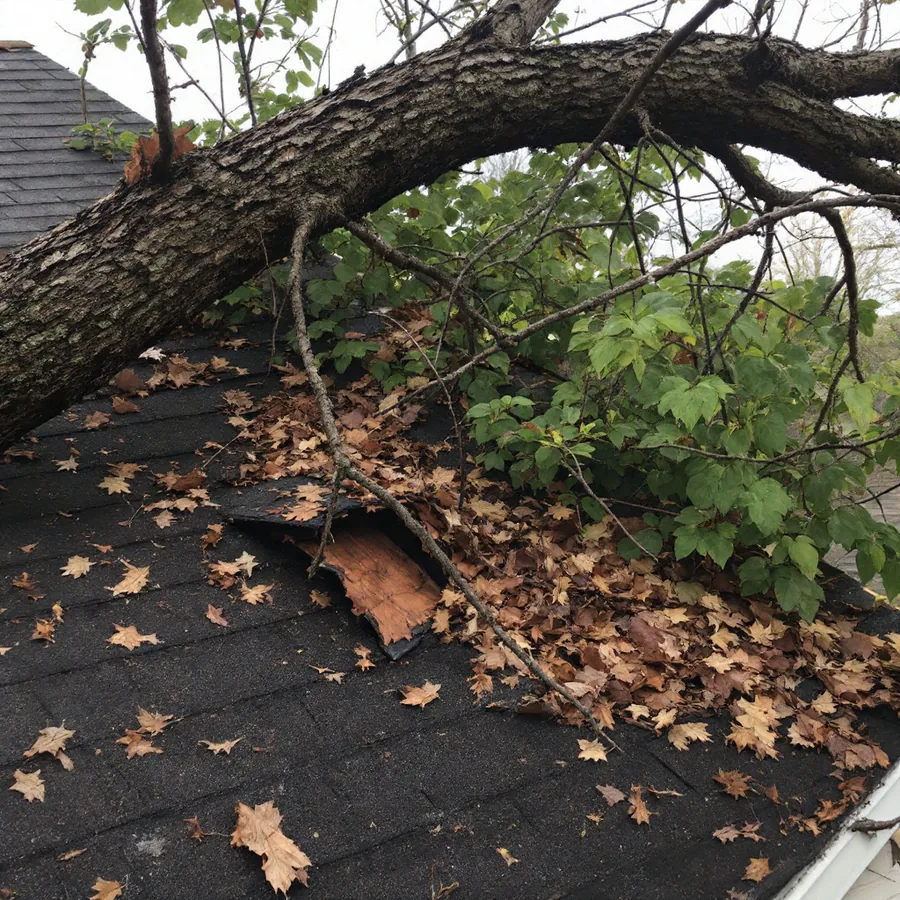
Falling trees and limbs
Sudden and accidental, therefore generally covered, including the removal of the tree from the structure. Whose tree it was matters less than most people expect: your policy responds to damage to your house.
Sudden leaks
When a covered peril opens the roof and water gets in, the resulting interior damage is normally covered. A leak that has been finding its way in for two years is a maintenance problem wearing a claim’s clothing.
Wear and tear
Excluded, everywhere, always. In the Texas regulator’s wording, insurance “pays for damages from events your policy covers like fire or theft but not wear and tear”. A worn-out roof is not an insured event; it is a maintenance bill that arrived on schedule.
Neglect and consequential rot
Damage that follows from a defect you knew about and left alone is excluded, and so are rot, mold and the slow consequences of a leak nobody fixed. This is where a delayed claim quietly loses.
Flood and rising water
Never in a homeowners policy. Water arriving from above is a roof question; water arriving from below is a separate policy entirely, and it is worth knowing which one you are in before you call.
Condominiums, HOAs and who insures the roof
On a condominium or in a homeowners association, the roof is usually insured by the association’s master policy rather than by the unit owner, and the association’s deductible can be large and, in some communities, shared out among owners after a loss. Your own unit policy typically covers the interior and your belongings. Before doing anything else, ask the association for the master policy declarations and the deductible, because on a shared roof the decision to claim is not yours alone.
Where Most Denials Actually Happen
Sudden damage against a roof that wore out
This is the fault line under nearly every disputed roof claim, and it is not a dispute about honesty. It is a dispute about what a photograph proves.

What the adjuster is looking for
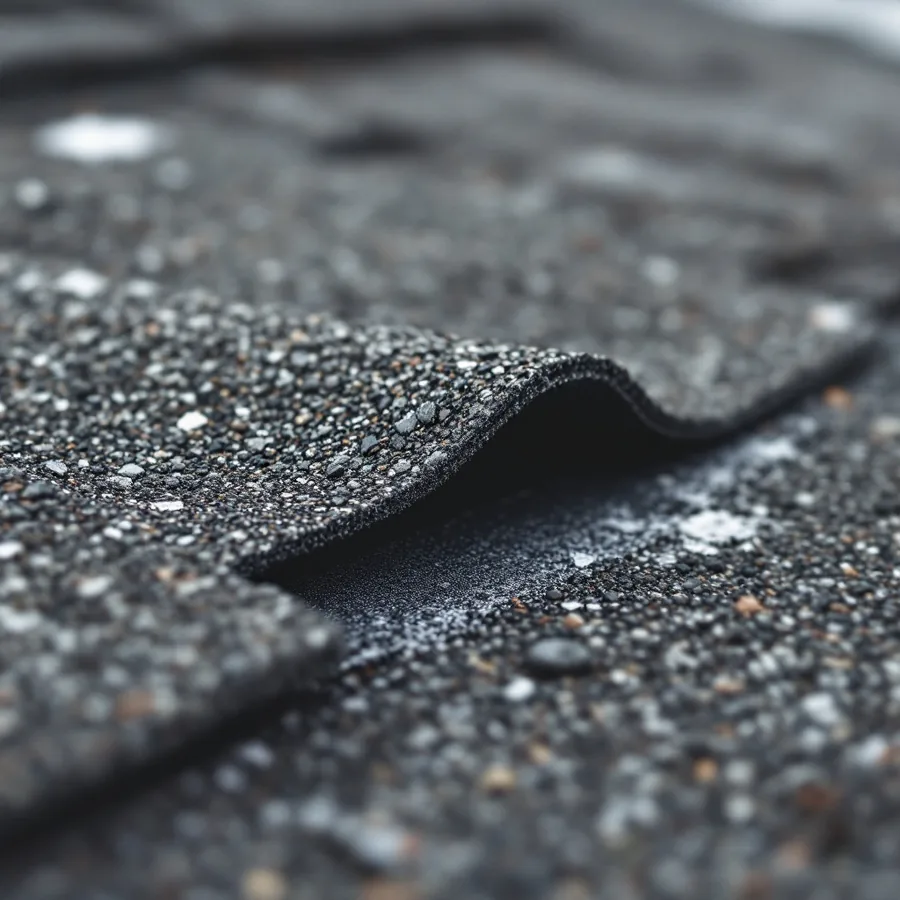
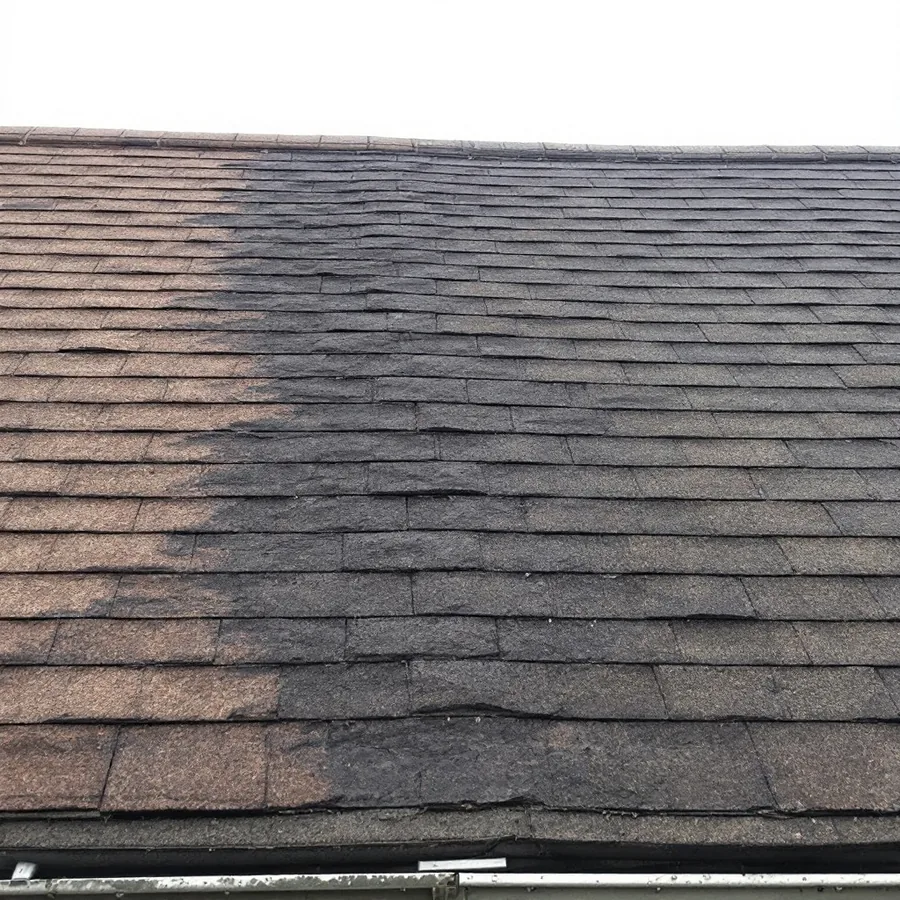
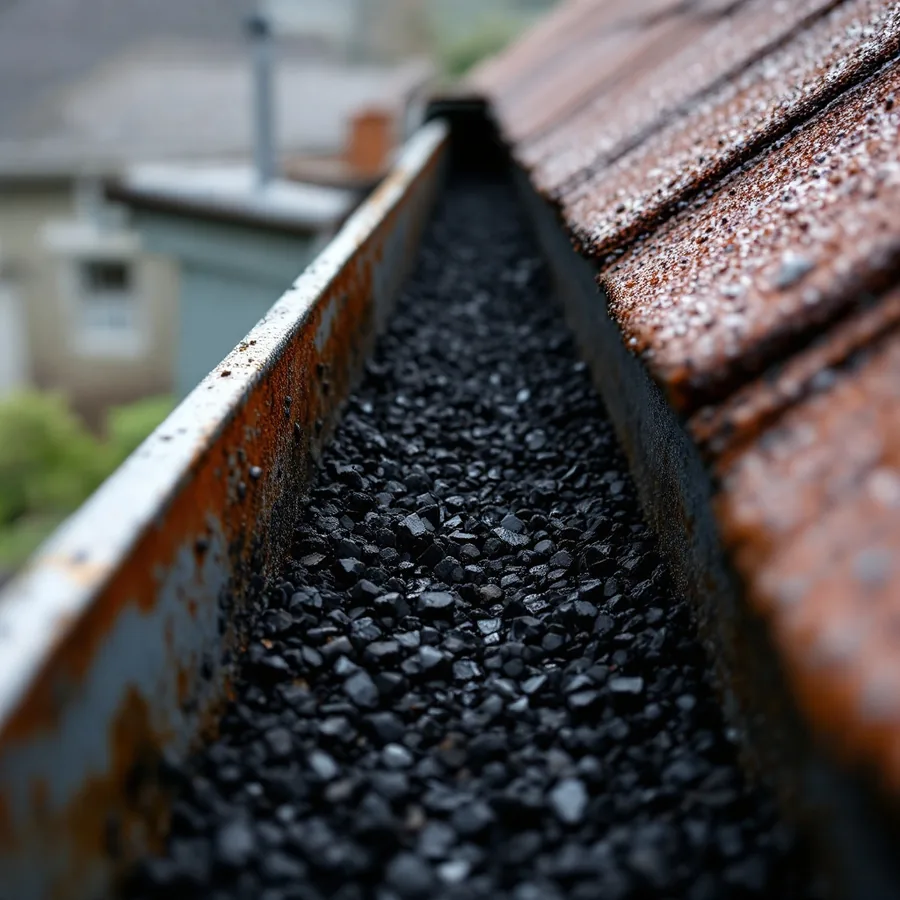
Evidence that something arrived. Hail leaves round impacts with granule loss and a bruised, soft mat underneath, scattered randomly rather than in lines. Wind leaves creased tabs, broken seal strips and losses that start at edges and ridges. Both leave corroborating marks on soft metals, gutters, vent hoods, air-conditioner fins, which is why an adjuster looks at things that are not the roof.
What the file looks like when it goes the other way
Uniform granule loss across the whole slope, curling and cupping, brittle tabs that snap rather than bend, exposed nail heads and mat showing through in the sun-facing planes. Those describe age. They can be present at the same time as genuine storm damage, which is exactly why claims turn into arguments: the roof can be both old and hit.
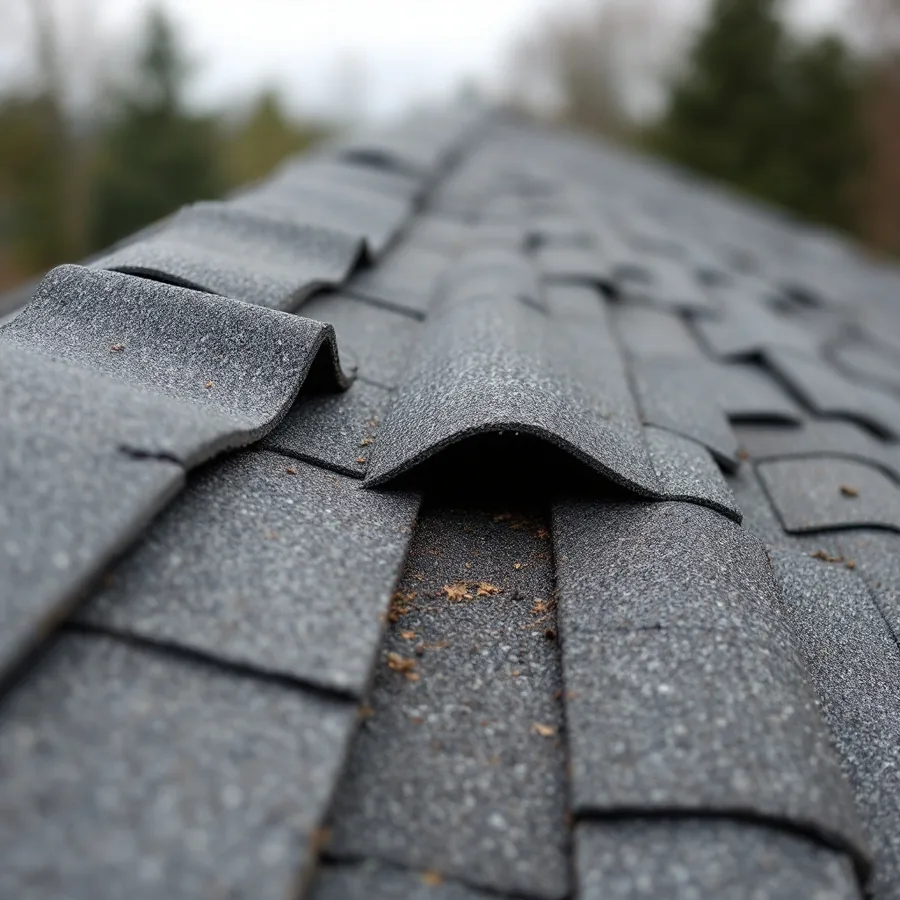
What is considered wind damage to a roof
Not just missing shingles. Adjusters look for creased tabs where the wind folded them back and the crease line stayed, broken sealant strips that leave tabs loose to the touch, lifted or displaced shingles at edges, ridges and rakes, and damage to the ridge cap where uplift is highest. Signs of wind damage to a roof also show up away from it: debris in the yard, a bent gutter, torn flashing, granules washed into the downspouts. What matters for the claim is not one dramatic photograph but a pattern consistent with a directional event.
The practical consequence
Document before the adjuster arrives, and document the date. Photographs after each storm season are worth more than any argument later, because on a roof the question “when” is almost always harder to answer than “what”. If you have not looked at your roof since you bought the house, our guide to what a roof inspection should include is the cheaper first step.
The uncomfortable version
A claim on a twenty-year-old roof with real hail damage is not a fraud and not a slam dunk. It is a negotiation about how much of the roof’s remaining life the storm took, and the policy language decides that far more than the photographs do. Which is why the next two sections matter more than the inspection.
What You Are Actually Paid
Actual cash value, replacement cost, and the two cheques
Two policies can cover the same storm, agree on the same damage, and pay amounts that differ by half. The difference is the settlement basis, and it is written on your declarations page.
Actual cash value
Replacement cost minus depreciation. The insurer works out what a new roof costs, then subtracts the value the old one had already used up. On a roof that is most of the way through its service life, that subtraction is most of the money.
Replacement cost
The full cost to repair or replace with materials of like kind and quality, but paid in two parts, and the second part is conditional. You receive the actual cash value first. The withheld amount is the recoverable depreciation, and you get it once the work happens.
What releases it is not the same everywhere, and this is worth checking rather than assuming. The Texas regulator describes the second check as arriving “after you’ve started repairs”. South Carolina’s guide describes it as paid when you present evidence the property “has been repaired or replaced”. Florida’s statute requires the insurer to pay the remainder “as work is performed and expenses are incurred”. Started, finished, or in stages, three different triggers, and the confident online claim that a final invoice is always required is one state generalised to the country.
There is also a clock. South Carolina’s regulator puts the window to claim recoverable depreciation at commonly six months to a year depending on the policy, and it can be extended after a large-scale disaster. Miss it and the settlement stays at actual cash value, which is the quiet way a replacement-cost policy pays like an actual-cash-value one.
The same roof, two policies, ten thousand dollars apart
The insurance regulators’ own association publishes the arithmetic, and it is worth reading slowly. Two neighbours, identical $15,000 roof losses, identical $1,000 deductibles. The household with replacement cost receives $14,000. The household with actual cash value, after $10,000 of depreciation is subtracted, receives $4,000. Nothing about the storm, the roof or the contractor differs. The difference is one line on a declarations page that neither of them read.
Like kind and quality is not an upgrade
Replacement cost restores what you had. A three-tab roof is settled as a three-tab roof, not as the architectural shingle you would rather have. If you want the upgrade, the difference is yours, which is a fair moment to look at what the upgrade actually buys before deciding.
Supplements, when the first number turns out to be wrong
An insurance estimate is written from what was visible on the day. When the tear-off exposes rotten decking, or code requires something the estimate did not include, the route is a supplement: a documented request for additional payment on the same claim, supported by photographs and invoices. Supplements are ordinary and expected rather than a sign of a fight, and a contractor who has worked claims before will know how to document one. What they are not is a way to reach a number decided in advance.
Roof age moves you between the two
This is the part homeowners rarely see coming, and the Texas Department of Insurance states it without euphemism: “As roofs age, some companies will switch to actual cash value.” The switch usually arrives at renewal, in the endorsement pages, on a policy whose premium did not obviously change. Read the renewal, not just the invoice.
The Clause Nobody Quotes
The roof payment schedule, with the real numbers
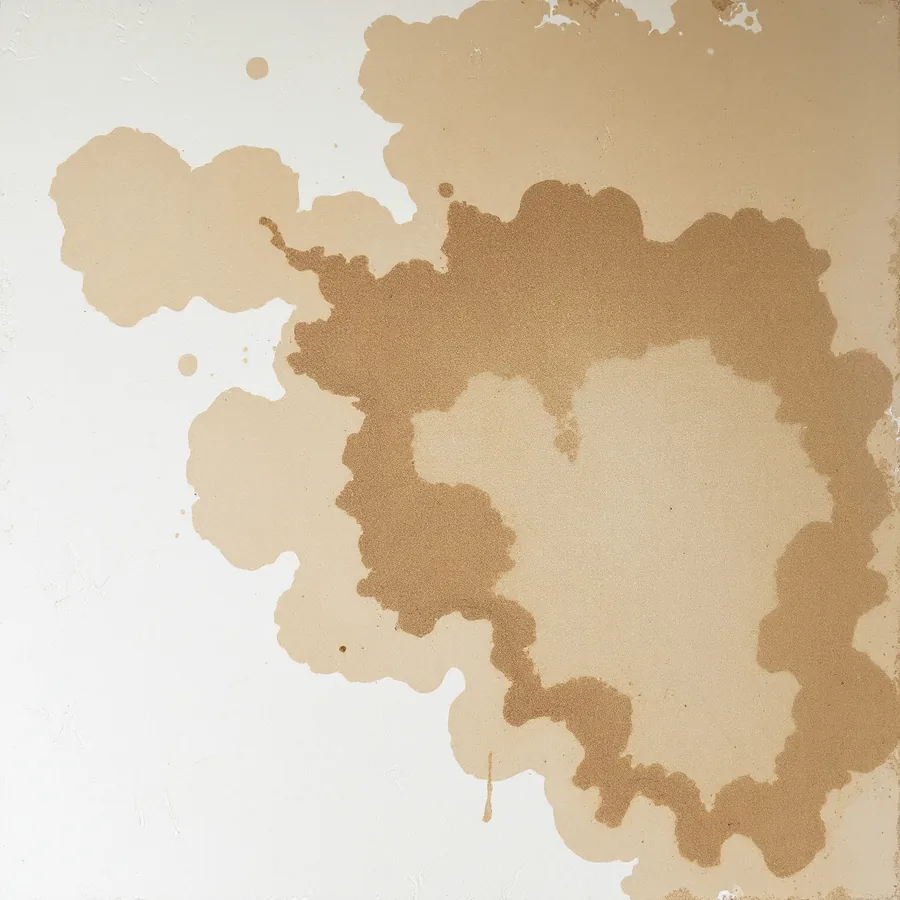
Search this subject and you will meet a tidy table: full payment to five years, eighty percent to ten, sixty to fifteen. It is repeated across dozens of sites and it traces back to nothing. Filed endorsements do not look like that. Here is one that we read ourselves.

What the form actually says
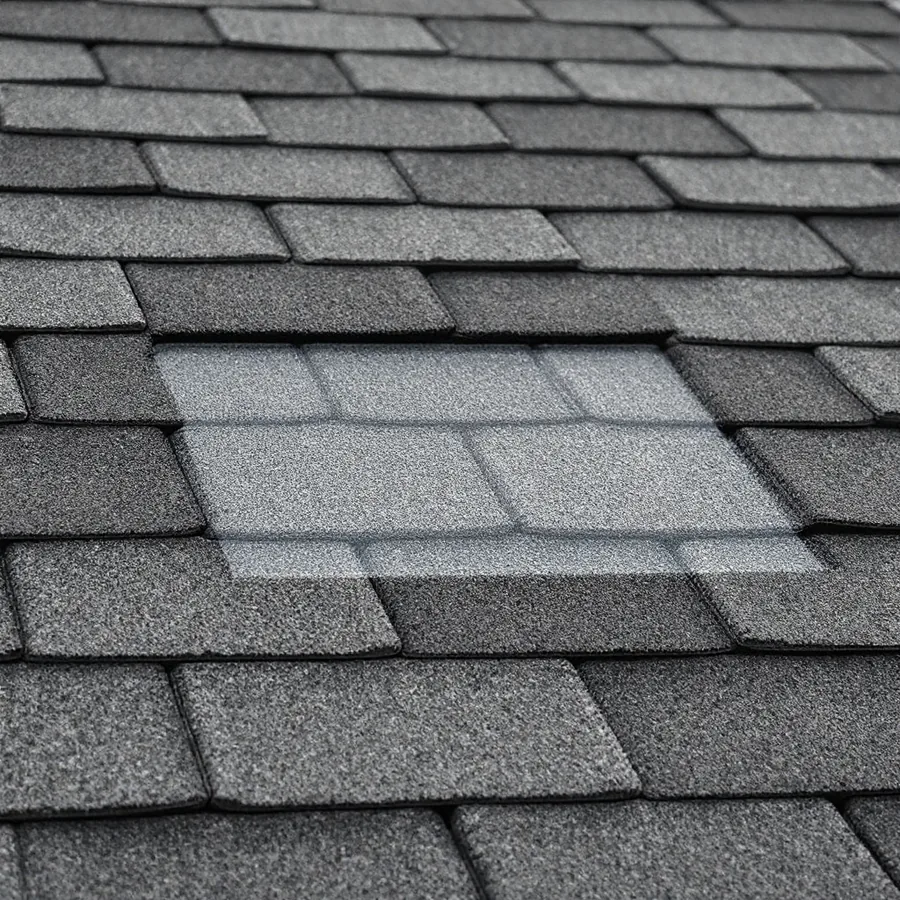
A roof surfacing payment schedule endorsement replaces the loss-settlement clause for windstorm and hail damage with a percentage table keyed to two things: the roof surface material and the age of the roof. Not five bands, a row for every year, running to thirty, with a different rate of decline for each material. And the percentage does not apply only to shingles. On the form below it applies to the repair or replacement and to installation, including overhead, profit, labor, taxes and fees. It is a percentage of the whole job.
| Age of roof | Composition shingle | Metal | Clay or concrete tile | Wood shake | Tar and gravel |
|---|---|---|---|---|---|
| Under 1 year | 100% | 100% | 100% | 100% | 100% |
| 5 to 6 | 80% | 95% | 90% | 90% | 80% |
| 10 to 11 | 60% | 90% | 80% | 80% | 60% |
| 15 to 16 | 40% | 85% | 70% | 70% | 40% |
| 19 to 20 | 25% | 81% | 62% | 62% | 25% |
| 25 to 26 | 25% (floor) | 75% | 50% | 50% | 25% (floor) |
What the numbers mean in practice
Asphalt loses four percentage points a year and hits its floor of twenty-five percent at nineteen. Tile and wood shake lose two points a year. Metal loses one, a metal roof at twenty-five is still paid at seventy-five percent, which is a fact worth knowing before choosing a covering. On a $20,000 asphalt replacement, a fifteen-year-old roof under this schedule is an $8,000 payment before the deductible comes off.
The duty most people miss
Because the schedule runs on the roof’s age as shown in the declarations, the form makes it your job to tell the insurer when the roof is replaced, within ninety days on this one. Replace the roof, forget to say so, and the schedule keeps paying you as though the old one were still up there.
What to actually do with this
Find your declarations page and look for the words roof surfacing, payment schedule or actual cash value roof. If any of them appear, your roof is not covered the way the rest of your house is, and you can price the alternative at renewal. This is a five-minute check that changes a five-figure number.
The Number That Is Not On Your Invoice
Your wind and hail deductible is probably a percentage
People know their deductible as a dollar figure because that is what the auto policy taught them. On a home policy, wind and hail frequently carry a separate one, expressed as a share of the dwelling limit, and it is calculated from the insured value of the house, not from the size of the claim.
Arithmetic only: dwelling limit × percentage. Your policy governs. A flat dollar deductible does not move with the house, $1,000 stays $1,000 whatever Coverage A says, which is exactly why the percentage version surprises people.
Why this matters more than the rate you were quoted
The Insurance Information Institute puts the typical range at one to five percent of a home’s insured value, and gives the arithmetic plainly: a house insured for $300,000 with a five percent deductible carries the first $15,000 of the claim itself. A roof replacement that would comfortably clear a $1,000 deductible does not clear that one. The premium saving that bought the percentage was real; so is this.
Hurricane, named storm, wind and hail, three different triggers
Nineteen states and the District of Columbia have hurricane deductibles, which fire only on a declared event. Named-storm deductibles work the same way for storms the weather service has named. A wind and hail deductible has no such trigger: it applies to wind damage generally, including a tornado or an ordinary severe thunderstorm. Knowing which one you carry tells you whether an August hailstorm meets it.
Will filing a roof claim increase my insurance?
It can, and the mechanism is worth understanding before you decide. Claims are recorded in a shared industry claims-history database that carriers consult at renewal and when quoting a new policy, and the record persists for several years. A single weather claim in a region that has just been hit is treated differently from a pattern of claims on one address, but neither is invisible. This is the real argument for comparing the likely payment against the deductible before filing: a claim that pays little still enters the record.
What to ask, and when
At renewal, not after the storm: what is my wind and hail deductible in dollars, at today’s Coverage A; can I buy it down, and what does that cost per year. Both answers are quick, and the second one is a straight trade, a lower deductible for a higher premium, that you can only make before you need it.
The Clock Runs Both Ways
What the insurer owes you, and by when
Claim-handling deadlines are set by state law, not by the carrier, and they are enforceable. The numbers below are Texas because it is the most explicit; your state has its own, and they are worth looking up before you accept “we are still reviewing”.
Your own deadline
Policies require prompt notice, and states set outer limits for bringing suit. Neither is a reason to file a claim you do not want to make, but both are reasons not to sit on real damage for a season while deciding. The practical rule: report promptly, then take your time about the repair decision.
Before the adjuster comes
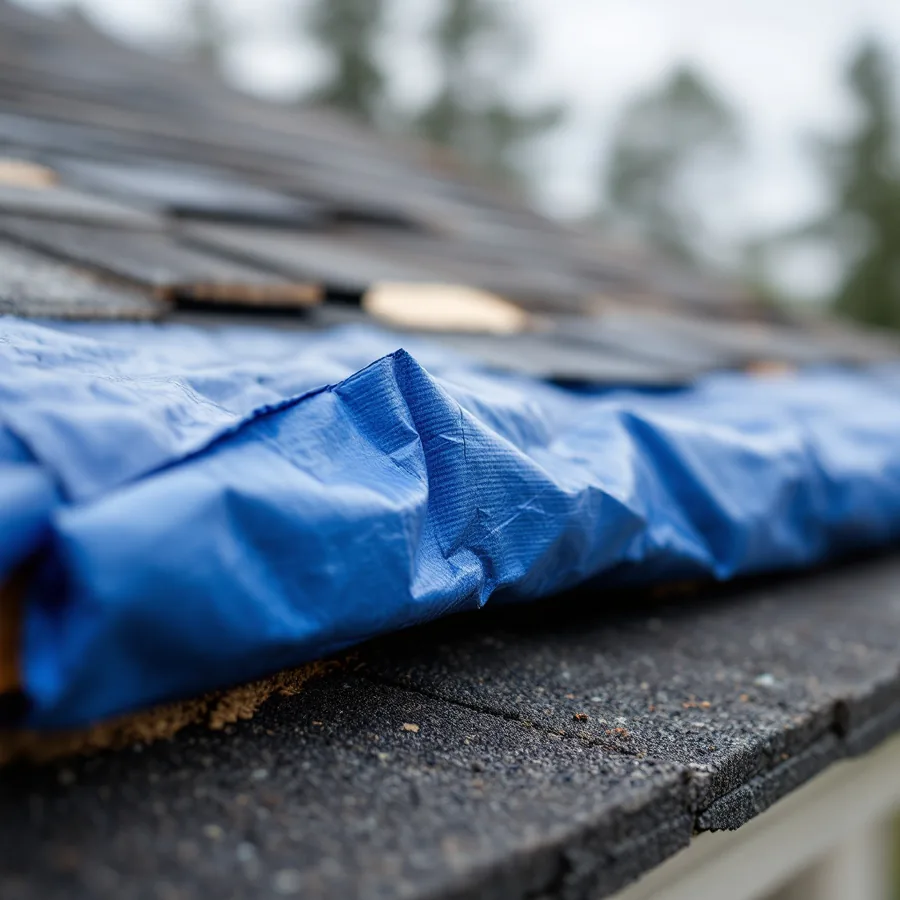
Photograph the roof, the soft metals, the gutters and any interior staining, with dates. Keep receipts for any temporary protection, that is normally reimbursable, and a tarped roof is a mitigated loss rather than a worsening one. If water is already inside, our page on finding and stopping a roof leak covers the first-day part.
If The Answer Is No
Denials, appraisal, and who is allowed to help
A denial is a position, not a verdict. There are three recognized routes after one, and they are not interchangeable, each answers a different kind of disagreement.
Appraisal decides amount, never cause
Most policies contain an appraisal clause: you appoint an appraiser, the insurer appoints one, and the two select an umpire. Costs are shared. It is a fast, private way to settle a fight about how much the loss is worth, and it is the wrong tool for the commonest roof dispute, because as the New York regulator puts it, “the appraisal process is not available for disputes involving the cause of the damage.” If the argument is hail against age, appraisal will not resolve it.
Public adjusters, and what they may charge
A public adjuster is licensed by the state and works for you rather than the insurer. Their fee is a percentage of what you recover and states cap it: ten percent in Texas, twelve and a half in New York, twenty percent in Florida for ordinary claims and ten for catastrophes. Two rules matter more than the numbers. A public adjuster may not also be your contractor, and a contractor may not act as your public adjuster, in Texas that is written into the insurance code.
The regulator’s complaint process
Every state insurance department takes consumer complaints, and it costs nothing. It will not overturn a coverage decision by itself, but it forces a documented response, and it is the mechanism that catches claim-handling behavior rather than claim outcomes, missed deadlines, unanswered calls, an adjuster who never came.
What we do not do
We are a matching service. We do not adjust claims, argue with carriers, or give legal advice, and we have no financial interest in whether your claim is paid. What we can do is connect you with independent licensed and insured roofing companies who have worked storm claims before, and publish the research on this page.
Read This Before Signing Anything
What a roofing contractor may not legally do
After a hailstorm the knocks on the door begin, and several of the offers you will hear are illegal in the state making them. These are not fine points of etiquette: they carry penalties, and they can put your claim at risk rather than the contractor’s.
- “We’ll cover your deductible.” In Texas it is illegal for a contractor to offer to waive, rebate or absorb a policyholder’s deductible, under the insurance code and the business and commerce code both. The mechanism is usually an inflated estimate, which makes it the homeowner’s fraud exposure as well as the contractor’s.
- “We’ll handle the whole claim for you.” Texas does not allow a roofer or contractor to act as a public insurance adjuster on a claim if they are also doing the work. Negotiating your claim is a licensed activity; roofing is not the license.
- Door-knocking during the disaster. Public adjusters in Texas may not solicit during a natural disaster or after nine at night. A knock at those moments is a signal about the business, not about your roof.
- “Sign here so we can inspect.” Read what you are signing. A contingency agreement can commit you to a contractor before you know whether there is a claim, and the inspection is the bait rather than the service.
Our storm-damage guide goes further into what to do in the first days after a hailstorm, including the parts that are time-sensitive.
A Different Product Entirely
Does a home warranty cover roof replacement?
This question carries real search volume and gets answered mostly by companies selling home warranties. The honest answer is short, and it follows from what the two products are for.
They cover opposite causes
The Texas regulator draws the line in one pair of sentences: insurance “pays for damages from events your policy covers like fire or theft but not wear and tear”, while warranties “cover certain items in your home when they break down from normal wear and tear”. That is the whole distinction. Storm damage is an insurance question. A component that wore out is a warranty question. Neither product covers the other’s territory.
What that means for a roof
Where roof cover appears in a home service contract it is normally an optional add-on, limited to repairing leaks rather than replacing the roof, and capped at a modest amount per claim. It is not a route to a new roof, and it is not sold as one once you read the contract rather than the page selling it.
They are not even regulated as insurance
In Texas, home warranty companies are licensed by the Department of Licensing and Regulation, not the insurance regulator. Practically: the complaint route you would use against an insurer does not apply, and the consumer protections written for insurance policies do not automatically apply either.
The Third Piece Of Paper
Roof warranties: what they cover, how long, and what voids them
People search for roof warranties in the same breath as insurance claims, and they are a third thing again. A policy covers sudden damage. A home service contract covers wear on equipment. A roof warranty covers defects, and there are two of them, from two different parties.
The manufacturer’s warranty covers the material
It covers manufacturing defects in the shingle, not storm damage and not installation. The word to read carefully is lifetime. As CertainTeed puts it, “a lifetime warranty means coverage for as long as you, as an individual homeowner, own your home, not for the life of the home.” Sell the house and the clock changes.
Non-prorated first, prorated afterwards
Standard warranties run in two phases. For an initial period the coverage is non-prorated: a defect is remedied at full value. After that the coverage prorates, its value declines with age until it reaches zero at the end of the term. A claim late in a prorated period returns a fraction of the original value, which is why the length of the non-prorated phase matters far more than the headline number of years.
Transfer to a new owner
Most manufacturer warranties are transferable once, and only if the new owner notifies the manufacturer in writing within a window after the sale. Miss the window and the coverage does not follow the house. If you are buying a home with a recent roof, ask for the warranty certificate and the registration at the same time you ask for the receipts, both are worth having and neither is automatic.
The workmanship warranty is a different promise, from a different party
The manufacturer warrants the material; the roofing company warrants the installation. Workmanship warranties are written by the contractor, vary from one year to a decade, and are worth exactly as much as the company still being in business. They typically exclude abuse, alterations by anyone else, poor maintenance and ordinary wear. Enhanced system warranties, where a manufacturer backs the installation as well, exist and require the work to be done by a certified installer to a specified system.
What actually voids one
- Inadequate ventilation. The commonest technical exclusion, and the one homeowners never hear about, because the heat and moisture a badly ventilated attic traps are what age a shingle prematurely.
- Installing over the old roof. A second layer is cheaper and it changes what the manufacturer will stand behind.
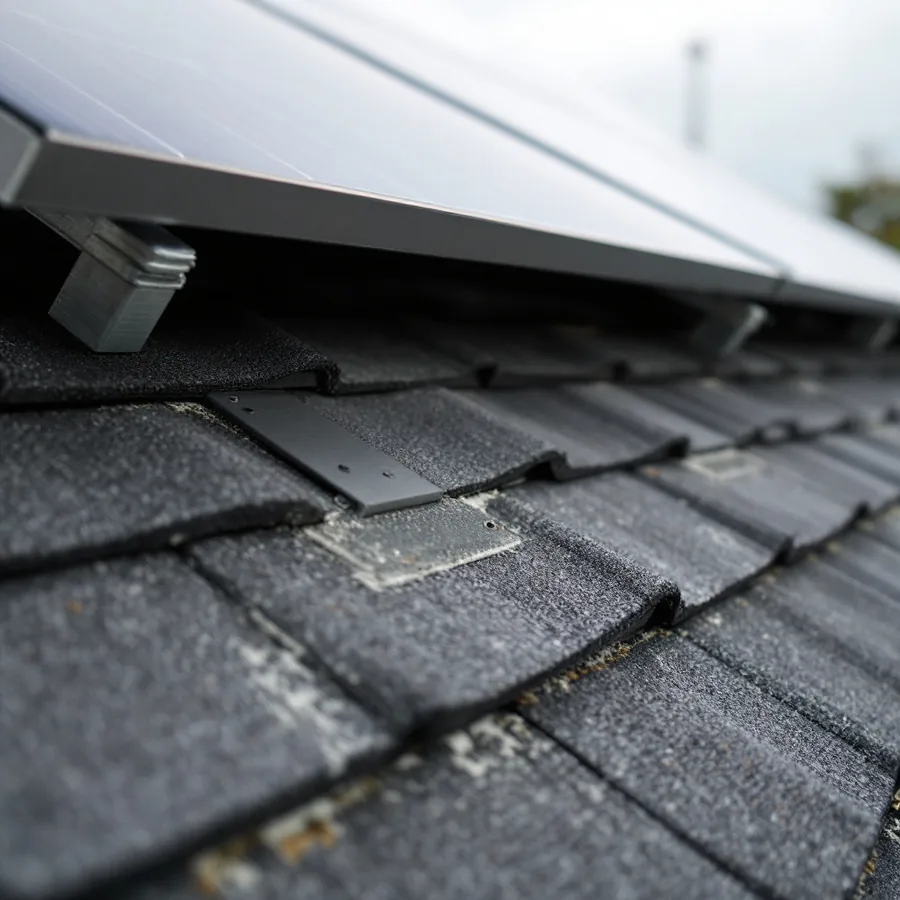
- Alterations by someone else. This is the solar question. Panels mounted through the roof by a third party are penetrations the roofer did not make and the manufacturer did not approve, agree in writing who owns the roof afterwards, before the array goes on.
- Repairs by another contractor. A patch by whoever was cheapest that week can end the coverage on the whole roof.
- Pressure washing and unapproved cleaning. A method that strips granules is not maintenance.
The one that matters after a storm
No roof warranty of either kind covers hail, wind or a fallen tree. Those are insurance questions, and a contractor who answers “you’re under warranty” when you ask about storm damage has either misunderstood the question or is hoping you will.
Boundaries
What this page does not do
Legal advice
Whether to sue, when to hire counsel, and how a specific policy will be read in a specific state are questions for a lawyer. We describe the machinery; we do not advise on your case.
State-by-state statute tables
Claim deadlines, deductible rules and public adjuster caps all vary. We give named examples with sources rather than a fifty-state table we cannot keep current, a stale table is worse than none.
Adjuster careers
A large share of the search traffic around adjusters is people who want to become one. That is a different site.
Direct Answers
Roof insurance questions, answered
Does homeowners insurance cover roof replacement?
It covers roof replacement when the damage came from a covered peril, typically wind, hail, or a falling tree, and it does not cover a roof that simply wore out. The practical answer depends on three things beyond the damage itself: whether your settlement basis is replacement cost or actual cash value, whether your policy carries a roof payment schedule keyed to age, and what your wind and hail deductible is in dollars.
Will insurance cover a 20-year-old roof?
It can, if a covered peril damaged it. But by twenty years many policies have moved the roof to actual cash value, and where a payment schedule applies, asphalt is commonly at its floor by then, a quarter of the job on the form we examined. The claim is still worth making; the expectation should be a contribution, not a new roof.
What is recoverable depreciation?
The part of a replacement-cost settlement the insurer holds back initially. You are paid actual cash value first; the withheld amount is released once the work has actually been done and evidenced, usually within a deadline set by the policy. If you never do the work, you never receive it, which is the point of the mechanism.
How much is a 2% wind and hail deductible?
Two percent of your dwelling limit, not of the claim. On a $300,000 Coverage A that is $6,000 out of pocket before the policy pays anything. The calculator on this page does the arithmetic for other figures.
Can I claim for a roof leak?
If a covered peril made the opening, a storm lifted shingles and rain followed, then yes, and the interior damage normally comes with it. A leak that developed gradually, or one from a defect left unattended, falls under wear, neglect and the rot exclusions instead.
How long does an insurance company have to pay a roof claim?
Set by state law rather than the carrier. Texas is the clearest example: fifteen days to acknowledge the claim and start investigating, fifteen business days to accept or reject once proof of loss is complete, and five business days to pay after saying it will, with interest as damages, plus attorney’s fees, if the insurer misses the deadlines.
My roof claim was denied. What now?
Read the denial letter for the reason it actually gives, cause, amount, or a policy provision. Appraisal resolves disagreements about amount but explicitly not about cause. A licensed public adjuster can represent you for a capped percentage. The state insurance department takes complaints about how the claim was handled, at no cost.
Should I file a claim at all?
Compare the likely payment against your deductible before you decide, and remember the deductible may be a percentage. A claim below or barely above it is rarely worth making. Get an independent assessment of the damage first, the inspection costs far less than a claim on your record for a payment that never arrives.
Do you file claims or work with my insurer?
No. We are a matching service. We publish research, including our own aggregation of two decades of National Weather Service storm records, and we connect homeowners with independent licensed and insured roofing companies. We do not adjust claims, negotiate with carriers, or give legal advice.
Where This Comes From
Sources
- Roof coverage, settlement basis and roof age, Texas Department of Insurance, insurance and your roof and the TDI home insurance guide.
- Percentage deductibles and what triggers them, Insurance Information Institute.
- Roof surfacing payment schedule, a filed US homeowners endorsement, TRUE HO RSP 09 21, read directly rather than summarised from secondary sources.
- Appraisal, appraisers and umpires, New York Department of Financial Services.
- Public adjusters and contractor conduct, TDI on public adjusters, TDI, roofing and insurance: know the law, and the Utah Insurance Department on roofing scams.
- Replacement cost against actual cash value, with the worked example, National Association of Insurance Commissioners; recoverable depreciation and its time limit, South Carolina Department of Insurance post-disaster claims guide; the two-payment structure in statute, Florida Statutes §627.7011.
- Claim-handling deadlines, Texas Insurance Code Chapter 542, sections 542.055 and 542.060.
- Home warranties against insurance, Texas Department of Insurance.
- Storm frequency by county, our own aggregation of the NOAA NCEI Storm Events Database, 2006 to 2025.
Our editorial standards explain how we source and check numbers. Percentages in the schedule table are quoted from one filed endorsement and are not universal, forms differ by carrier and state, and yours governs. Nothing here is legal advice or a coverage opinion; we are a referral service, not an insurer or a contractor. Last updated .
Before you call anyone
The independent match — we are paid for the introduction, not for the size of your job
Most roofing advice is written by the company that wants to do the work. That is not a failing of the people who read it; it is a defect in who is talking. The estimate, the diagnosis and the invoice come from one party, and no amount of care on your side fixes that.
We are built the other way round. We do not repair roofs and we do not sell materials, so the payment reaches us when you are connected to a licensed, insured roofing company — the same amount whether your roof needs an eight-hundred-dollar repair or a twenty-thousand-dollar replacement. Nobody here has a reason to talk you into the larger number. How we make money and how we research are both written down.
Waiting is the one thing that actually costs money. An insurance clock runs from the date of the damage rather than the date you noticed it, and damage that sits through a season stops reading as sudden and starts reading as wear — which is the exclusion that pays nothing. And if your roof is simply worn out, say so on the call. No claim will pay for age, we will tell you that plainly, and you will have lost nothing but the call.