The Default Choice, Examined
Architectural shingles, what you are actually buying
Four out of five American roofs are asphalt, and almost all of them are architectural shingles. That makes this the least-examined purchase in roofing: people choose the material by default and then argue about the price. Every page ranking above this one is published by a company that makes or fits shingles. We do neither, so here is which upgrade earns its money, which one is a word on a brochure, and the one situation where the cheaper roof is the wrong roof.
(844) 833-2185Toll-free and answered every day of the year. The call reaches an independent licensed and insured roofing company covering your area, we do not do the work ourselves, which is exactly why we can tell you when you do not need it.
Four things worth knowing before you choose
- Architectural has effectively replaced 3-tab. The price gap is small, the difference in service life and wind rating is not, and 3-tab now survives mainly on minimum-budget jobs.
- “Lifetime” is a warranty term, not a service life. It covers manufacturing defects, prorates over time, and is not what fails on most roofs.
- The impact rating is the upgrade that can pay for itself. Class 4 attracts premium discounts from many carriers, and unlike metal, hail damage to asphalt is normally the kind insurers pay for.
- Installation outranks brand. The same shingle fitted two ways gives two different roofs, and no warranty covers the difference.
Plainly
What architectural shingles are
The name describes construction, not a brand and not a style. Understanding what is physically different explains everything else about them.
Two layers instead of one
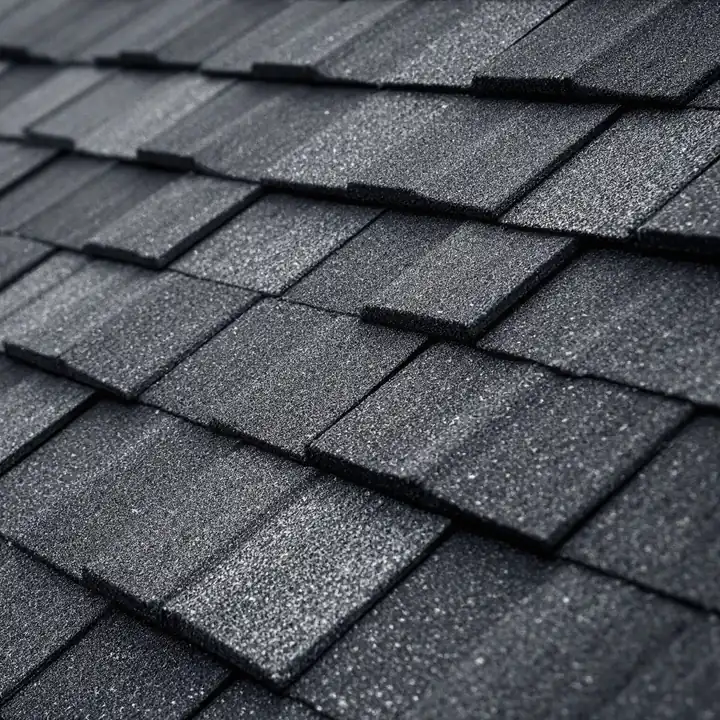
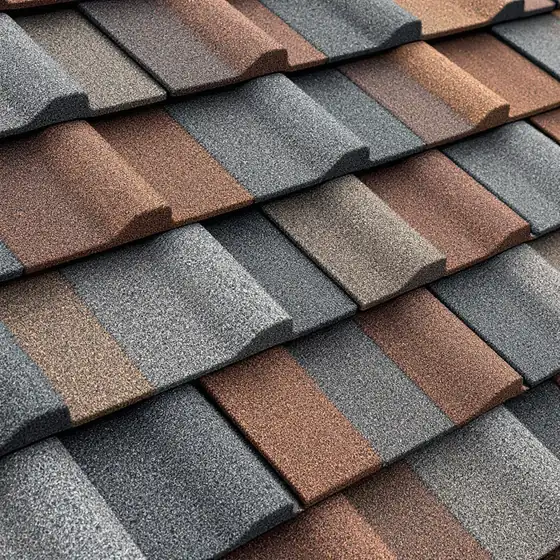
A 3-tab shingle is a single flat strip of asphalt-coated fibreglass mat with two slots cut in it, which produces the repeating rectangles on older roofs. An architectural shingle, also sold as dimensional or laminate, is two or more layers bonded together, with the top layer cut in an irregular pattern. That lamination is the whole difference: more material per square foot, more weight, more thickness, and a surface that reads as depth rather than as a grid.
Why the extra layer matters beyond looks
Thickness resists wind uplift and impact better, and the irregular cut hides the small imperfections of a roof deck that a flat 3-tab shingle exaggerates. It also means the shingle weighs noticeably more, which is why an architectural roof feels different underfoot and why very old structures occasionally need the load checked.
The names you will see on quotes
Architectural, dimensional and laminate mean the same construction. Above them sits a smaller category variously called premium, designer or luxury, heavier laminates shaped to imitate slate or wood shake, at a meaningful step up in price. Below them, 3-tab. Those four words cover essentially the entire asphalt market.
Who makes them
The American market is concentrated in a handful of manufacturers, GAF, Owens Corning, CertainTeed, Atlas, TAMKO and IKO among them, and each sells a good, better, best ladder of laminate lines. We do not rank them, because doing that honestly would require testing we have not done. What we will say is that within a single manufacturer the step from the entry laminate to the mid line is usually a real difference in weight and warranty terms, and the step from mid to premium is mostly appearance.
The Question Everyone Asks
Architectural shingles vs 3-tab
Asked five different ways in search, and the honest answer is short: unless the budget is genuinely at its limit, this is not a close decision any more.
| Architectural | 3-tab | |
|---|---|---|
| Construction | Two or more bonded layers | Single layer, slotted |
| Typical service life quoted | 25–30 years | 15–20 years |
| Wind rating commonly offered | 110–130 mph | Around 60–70 mph |
| Weight per square | Noticeably heavier | Lighter |
| Appearance | Dimensional, hides deck irregularity | Flat, repeating grid, shows waviness |
| Price difference | Modest, usually a small fraction of the total job, because labor and tear-off are the same either way | |
Why the price gap is smaller than people expect
On a re-roof, the shingles themselves are a minority of the bill. Tear-off, disposal, underlayment, flashing, ventilation and labor are identical whichever you choose, so upgrading the covering moves the total by far less than the sticker difference between bundles suggests. That is why the calculation usually lands on architectural: you are paying a small premium on one line item to gain a decade of service life and roughly double the wind rating.
When 3-tab is still the right answer
Two situations, both legitimate. A property being sold shortly where the roof needs to be sound rather than long-lived. And a genuinely tight budget where the choice is between a 3-tab roof now and no roof for another two years, a sound cheap roof beats a failing expensive one every time.
What to check on the quote
The word “architectural” on a quote is not a specification. Ask for the manufacturer, the product line and the wind rating in writing, because entry-level laminates and mid-range laminates are both architectural shingles and are not the same purchase.
The Upgrade That Can Pay For Itself
Impact-resistant shingles, and the hail arithmetic behind them
This is the one upgrade with a financial case rather than an aesthetic one, and the case is strongest in precisely the places where people instead reach for metal.
What Class 4 actually means
Roofing products are tested for impact under the UL 2218 standard, which is refreshingly literal: a two-inch steel ball is dropped on the shingle from twenty feet. Class 4 is the highest rating in common use and the only one most insurers care about. Note what the test measures, it is a laboratory impact rating, not a promise that a Class 4 roof will not be damaged by hail. Large stones still cause damage. The rating says the shingle tolerates the impacts that would functionally damage a standard one.
The insurance discount, stated honestly
Many carriers offer a premium reduction for an impact-rated roof, and the reductions reported publicly range from around 5% to as much as 35%. The honest qualifiers matter more than the numbers: the discount is not guaranteed, it varies by state and by company, and some carriers require documentation of the specific product installed. Before paying the upgrade for this reason, ask your own insurer what they would allow on your own policy. It is one phone call and it converts a maybe into a number.
Why this beats metal in a high-hail county
Here is the part no company selling a roof will put on the same page. Metal resists hail better than asphalt, but it dents, and in hail states many policies carry a cosmetic damage exclusion that removes coverage for denting which does not stop the roof working. Asphalt behaves in the opposite way: hail bruises it, bruising is functional damage, and functional damage is normally covered. So in a county that gets hit often, an impact-rated asphalt roof can be the better financial position, cheaper to buy, discounted to insure, and claimable when it is damaged.
Check your own county before deciding
Whether any of this is worth paying for depends on how much hail actually falls where you live, which is a number rather than an impression. Our aggregation of two decades of National Weather Service records covers every county in the country: look yours up, then read the upgrade against it. A county with two hail days a decade and a county with two hundred are not making the same decision.
Money
What an architectural shingle roof costs
Priced per square foot of roof surface, installed. The material is a minority of it, which is the single most useful thing to understand about a roofing quote.
| Covering | Installed range | Notes |
|---|---|---|
| 3-tab asphalt | $4–$5 | Fading from the market; the saving is smaller than it looks |
| Architectural asphalt | $5–$7 | The default. A typical 2,000 sq ft roof lands around $10,000–$14,000 |
| Impact-rated (Class 4) asphalt | $6–$9 | Premium over standard laminate, often offset by an insurance discount |
| Premium / designer laminate | $8–$12 | Heavier, shaped to imitate slate or shake; mostly an appearance decision |
| Standing seam metal (for comparison) | $10–$16 | See the metal roofing decision |
Why the shingles are the small part
Tear-off, disposal, underlayment, flashing, ventilation, permits and labor are the majority of the bill, and none of them changes when you upgrade the covering. That arithmetic is why moving from 3-tab to architectural is cheap in relative terms, and why moving from architectural to premium is not cheap at all, you are adding to the one line that was already the smallest.
What legitimately moves the number
Roof complexity first: hips, valleys, dormers and skylights are hand-cut flashing and slow work, and a complicated roof of the same area costs meaningfully more than a simple gable. Then pitch and access. Then layers, a second layer doubles tear-off and disposal. Then decking, which nobody can price until the old roof is off, which is why a quote with a stated per-sheet rate is a better document than one without.
What a suspiciously low quote usually contains
Four things, in rough order of frequency: reused flashing, field shingles cut down to serve as starter strip, no allowance for decking replacement, and an entry-level laminate described simply as “architectural”. Each is a legitimate way to reduce a price and each should appear on the quote rather than emerge afterwards.
Season matters more than people expect
Prices rise in the weeks after a large hail or wind event because every crew in the region is booked, and they soften in the slow season. If the roof is sound and the work is planned rather than urgent, timing it away from the local storm season is one of the few reliable ways to pay less for identical work.
Read The Document
What a “lifetime” shingle warranty covers
The single most misunderstood word in roofing sales, and the misunderstanding is doing useful work for the person using it.
It covers defects, not wear
A lifetime limited warranty covers manufacturing defects in the shingle for as long as the original owner holds the house. It is not a statement that the roof will last a lifetime, and it does not cover the roof wearing out, which is what actually happens to roofs. Those are different events, and only one of them is in the document.
It prorates
Full coverage applies for an initial non-prorated period; after that the amount payable declines with age. A defect appearing well into the roof’s life is typically settled at a fraction of replacement cost, and the fraction is set by a schedule in the warranty, not by negotiation.
Transfer is limited
Most warranties transfer once, within a window after the sale, and often at reduced terms. If resale value is part of your reasoning, that clause is the one to read, because “transferable” rarely means transferable in full.
Installation voids more than defects claim
Inadequate ventilation, wrong fastener placement, and installation over an unsuitable deck are common exclusions, and they describe the majority of real-world roof failures. This is why the installer matters more than the brand.
The wind rating has conditions
A 130 mph wind warranty usually depends on a specified nailing pattern and often on starter strip and ridge products from the same manufacturer. Fitted otherwise, the number on the bundle is not the number you own.
System warranties are the real ones
Manufacturers offer enhanced coverage when a certified contractor installs a full system of their components, and these can include workmanship for a period. They cost more and require a contractor who holds the certification, and they are the version of the promise that is worth something.
The practical reading: the shingle warranty protects you against a bad batch, which is rare. The workmanship warranty protects you against a bad installation, which is common.
When a salesperson leads with the lifetime number, the useful next question is what their own labor warranty runs to, and in writing.
Duration
How long architectural shingles last
Quoted at 25 to 30 years. What actually determines whether you get that is mostly invisible from the street.
Ventilation decides more than the shingle does
A roof that cannot exhaust heat cooks its own shingles from underneath. Attic temperatures in an under-ventilated roof drive the asphalt to age years early, and the damage is uniform across the whole roof rather than concentrated where you would look for it. Intake at the eaves and exhaust at the ridge, in balance, is unglamorous, cheap at installation time, and does more for service life than moving up a product line.
Slope, aspect and sun
South and west slopes age fastest because they take the most ultraviolet and the widest temperature swings. On an old roof the difference is visible: one elevation looks a decade older than the other. That is normal, it is not damage, and it is why a roof rarely fails all at once.
Color has a small, real effect
Darker shingles run hotter. Modern granule technology narrows the gap and there are reflective options within most color ranges, but in a hot climate the choice is not purely cosmetic. It is a minor factor compared with ventilation, worth knowing, not worth agonising over.
What ends a roof early
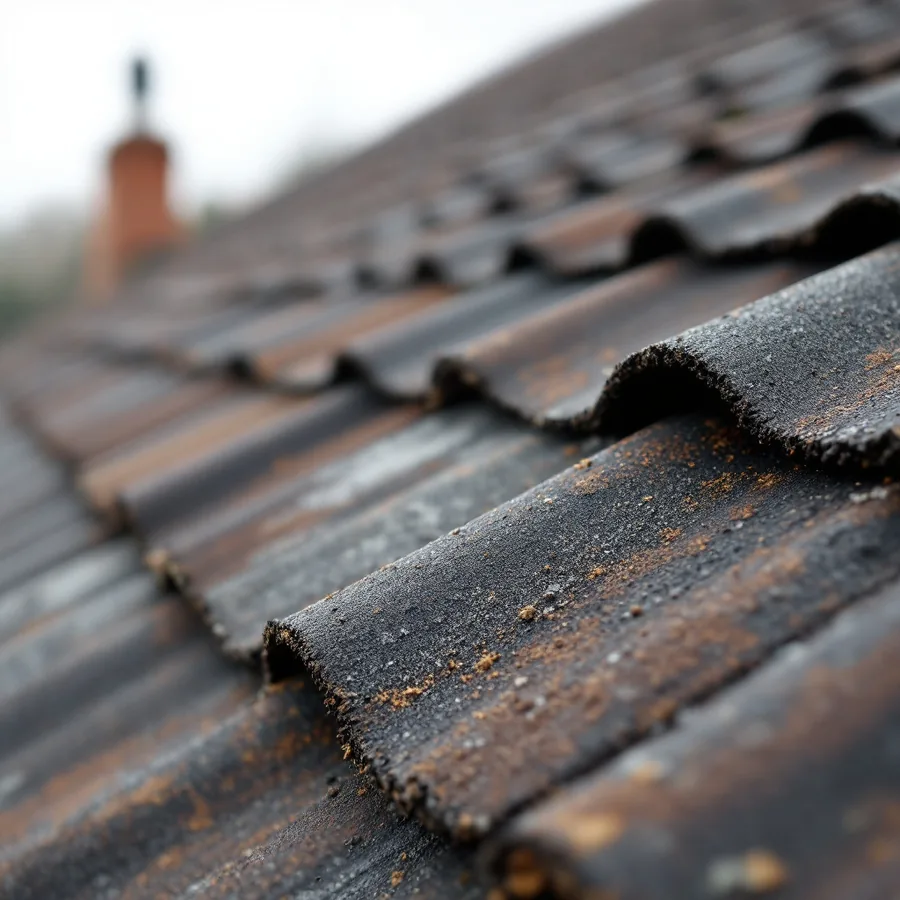
In order of how often we see it argued about: poor ventilation, storm damage that was never repaired, installation over a second layer that trapped heat and hid a soft deck, and reused flashing at penetrations. None of those is the shingle’s fault, and none of them is covered by its warranty.
Appearance
Colors, and the two that actually matter
Most of this is taste, and taste is allowed. Two of the decisions have consequences beyond looks.
Look at it on a roof, not a board
A sample board shows one shingle flat and lit evenly. A roof shows hundreds at an angle in daylight, and dimensional shingles read considerably lighter and more varied in place than in the hand. Ask to see the line on a finished roof nearby before committing.
Blends hide more than solids
Multi-tone blends disguise minor deck irregularity, repairs and future patching. A near-solid color shows every one of them. On an older house with a roof that has been worked on before, this is the practical choice rather than the aesthetic one.
Heat, in hot climates
Darker roofs absorb more solar heat. Reflective granule options exist within most ranges and are worth asking about where cooling load is real. In a cold or cloudy climate the effect is close to irrelevant.
Algae resistance is a real feature
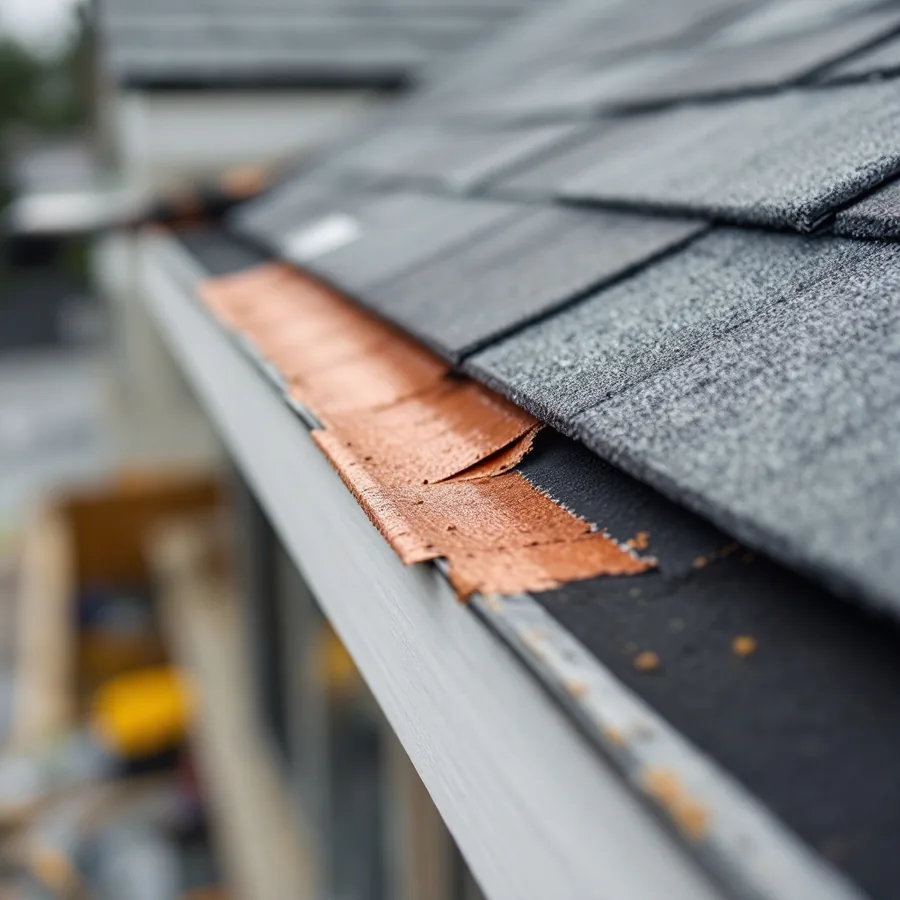
The dark streaks on older roofs are algae, not dirt and not damage. Most manufacturers offer algae-resistant versions with copper-bearing granules and a separate warranty term for staining. In humid regions this is the upgrade people wish they had taken.
Matching a repair later
Product lines are discontinued and colors drift between production runs. Keeping a spare bundle from your own job in the garage is the cheapest insurance available against a mismatched repair in ten years.
What the neighborhood allows
Homeowner associations frequently specify permitted roof colors and sometimes permitted product lines. Finding out after delivery is expensive, and roofing is not returnable once it is on site.
Where Roofs Actually Fail
The installation details that decide the outcome
You are not buying shingles. You are buying an assembly, and most of it is not the part with the brand name on it.

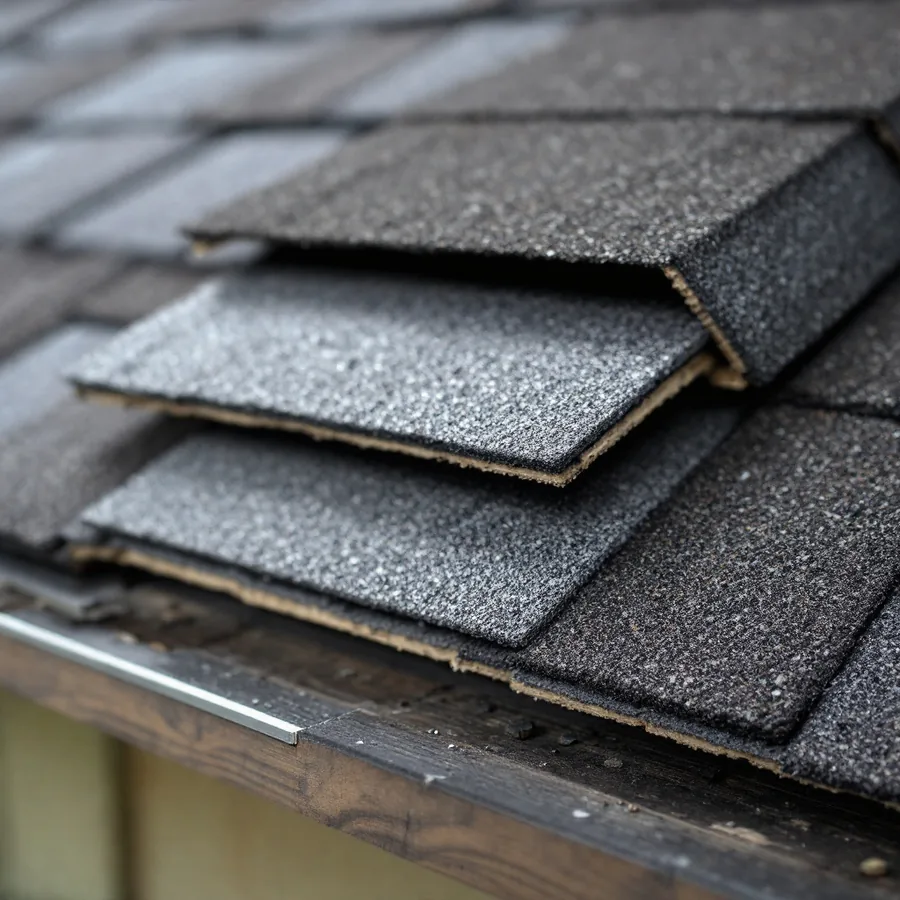
Nailing
The single most consequential detail. Nails must land in the manufacturer’s specified strip, driven flush, not overdriven through the mat, not underdriven and standing proud, not high above the line where they hold nothing. Overdriven and high nails are the most common installation defect in the trade, they void wind warranties, and they are invisible the moment the next course goes on.
Starter strip and ridge
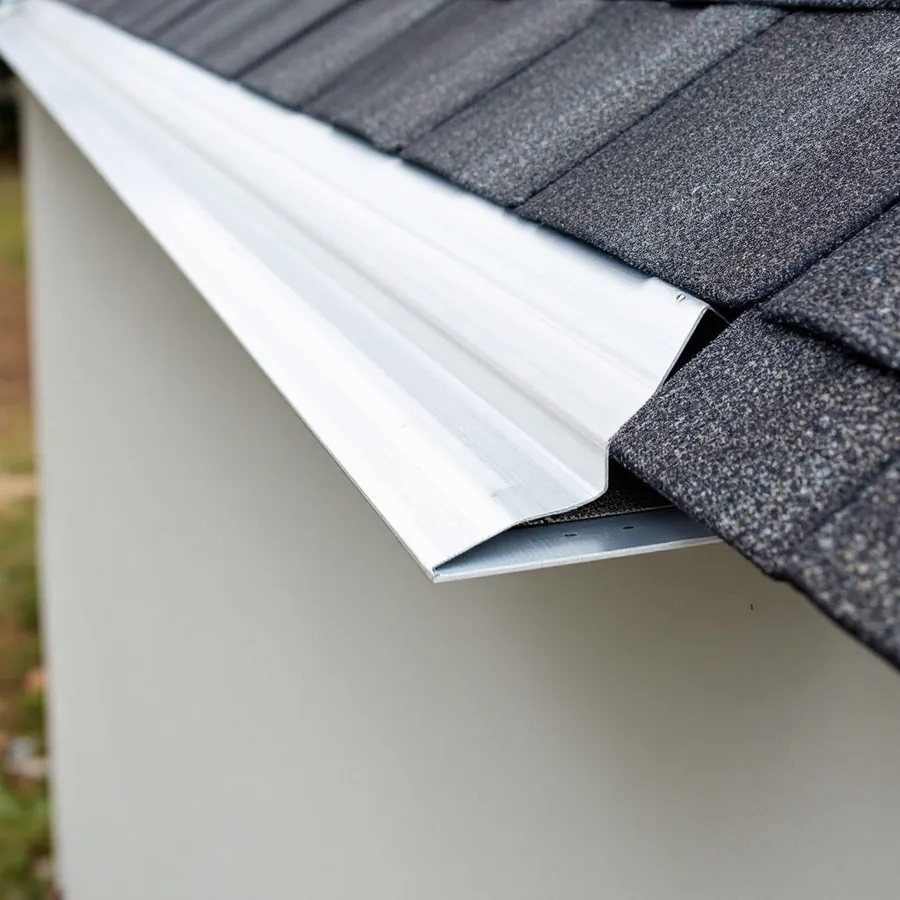
Proper starter strip along the eaves and rakes is what resists wind uplift at the edges, which is where wind damage begins. Cutting up field shingles to serve as starter is a real cost saving and a real reduction in the wind performance you were quoted.
Underlayment and ice barrier
Synthetic underlayment has largely replaced felt and performs better, particularly if the roof is left exposed for any length of time. In cold climates a self-adhering ice and water barrier along the eaves and in valleys is what prevents ice-dam leaks, and its extent is set by code rather than by preference.
Flashing, and the temptation to reuse it
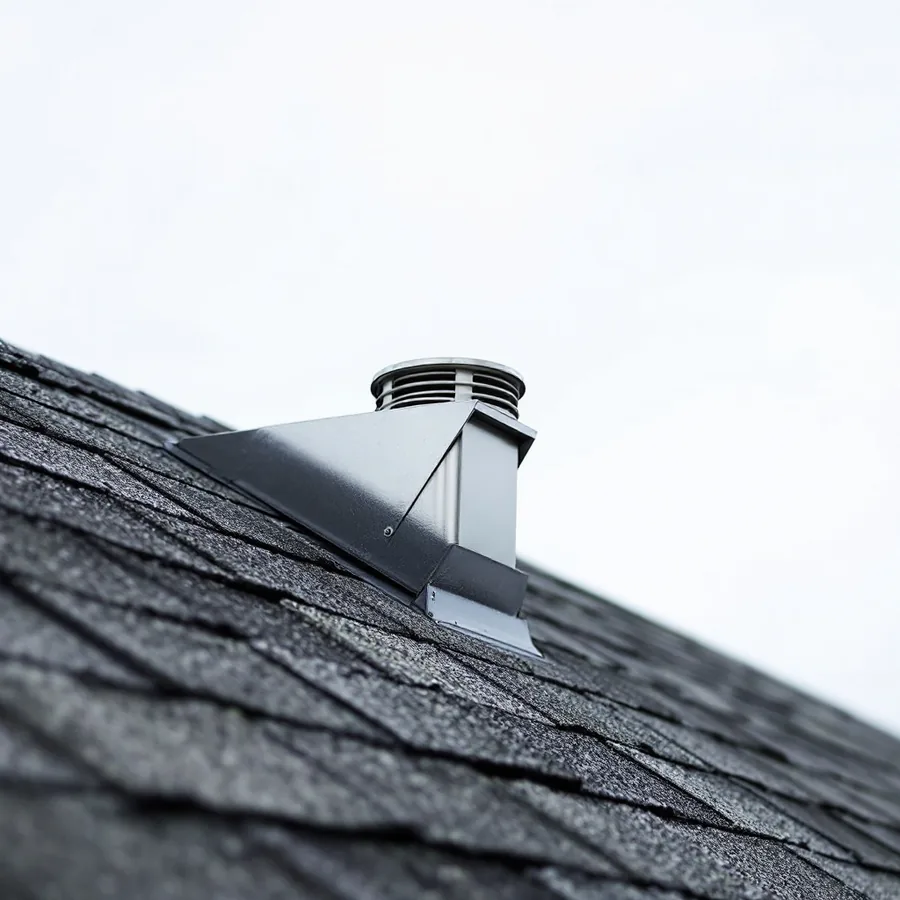
Flashing at chimneys, walls, valleys and every penetration is where roofs leak. Reusing old flashing on a new roof is the commonest corner cut in residential roofing: it saves a modest amount, it is invisible on completion, and it is the reason a five-year-old roof leaks at the chimney.
Ventilation, again
A re-roof is the one moment when ventilation can be corrected cheaply. If the existing roof was under-ventilated, and many are, installing the same arrangement again guarantees the new roof ages the same way the old one did.
What to ask for in writing
Manufacturer and product line, nailing pattern, starter and ridge products, underlayment specification, ice barrier extent, whether flashing is new, and how many sheets of decking are included with a per-sheet rate for extras. A quote containing those lines is from a company that has thought about your roof. A quote saying “architectural shingles, tear off and haul away” is a price, not a scope.
The Shortcut
Roofing over the existing shingles
Legal in most places, cheaper by a real margin, and the source of most of the cheapest quotes you will receive. Four things decide whether it is sensible.
The layer limit is a code question with a definite answer
Most jurisdictions permit a limited number of roof coverings, commonly two. If the existing roof is already a second layer, going over it is not an option regardless of what a quote says. This is checkable before anyone climbs a ladder.
Nobody inspects the deck
Skipping tear-off means skipping the only opportunity to see the sheathing. Soft, delaminated or previously wet decking stays where it is, under a roof intended to last thirty years. Everything the old roof was hiding remains hidden, and the person who finds it will be whoever removes both layers later.
Heat, and why the second layer ages faster
Two layers of asphalt hold more heat than one, and heat is what ages shingles. A roof laid over an existing one commonly does not reach the service life it would have had on a clean deck, which erodes the saving over the life of the roof rather than removing it.
The surface telegraphs through
New shingles follow the shape of what is underneath. Curled or lifted tabs on the old roof show as irregularity in the new one, and dimensional shingles hide that better than 3-tab did but do not eliminate it. If the existing roof is visibly uneven, going over it locks that appearance in.
The Next Twenty-Five Years
Looking after an asphalt roof
Very little of this is work. Most of it is knowing what to look at, and what not to do.
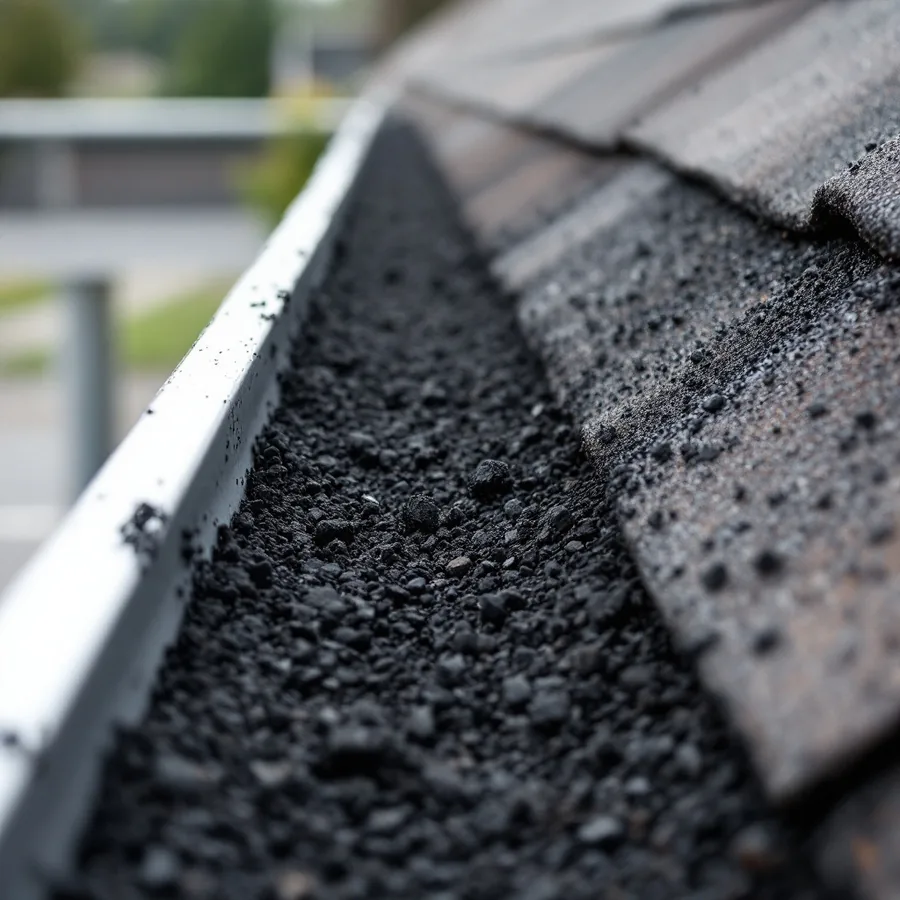
Keep the gutters clear
Blocked gutters push water back under the edge course, and that is a rot problem at the fascia and deck edge rather than a shingle problem. Twice a year in most places, more under trees.
Watch the granules
A modest amount of granule loss into the gutters is normal, particularly in the first year. A sudden increase after a storm is worth a look, it is the earliest visible sign of hail impact.
Trim what overhangs
Branches abrade the surface, drop debris that holds moisture, and become the debris category in the next storm. Keeping limbs off the roof is the cheapest maintenance there is.
Do not pressure wash it
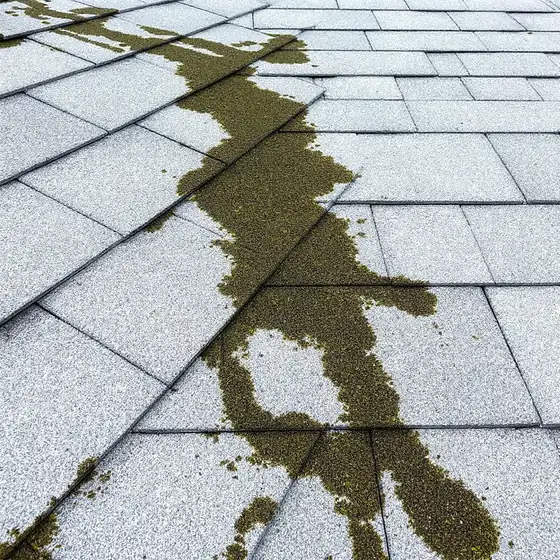
Pressure washing strips granules and takes years off the roof in an afternoon. Algae streaking is cosmetic; if it bothers you, the appropriate treatment is a low-pressure cleaning solution, not a lance.
Stay off it
Foot traffic scuffs granules and, in hot weather, can damage shingles outright. It also leaves marks that complicate a storm claim later, because they look like impact damage and are not.
Photograph it while it is good
A dated set of photographs of a sound roof is the evidence that settles an argument about pre-existing wear before it starts. Once a year on a clear day, kept somewhere that will still exist in a decade.
After a storm, the sequence that protects a claim is set out on our storm damage page, and an independent roof inspection is what turns an opinion into a document.
Say It Out Loud
When asphalt is the wrong choice
We have no material to sell, so we can end this page the way a brochure cannot.
A genuinely low slope
Shingles shed water; they do not hold it back. Below the manufacturer’s minimum pitch they will leak regardless of how well they are fitted, and the answer is a membrane rather than a better shingle.
You intend to stay forty years
On that horizon you are buying two asphalt roofs. Metal, tile or slate stop looking expensive when the comparison is against replacement rather than against purchase.
Wildfire exposure
Asphalt performs adequately on fire rating, but in the highest-exposure areas local requirements and insurer expectations can point firmly towards non-combustible coverings. This is a local question with a definite answer.
A period house where it will look wrong
On some architecture a dimensional asphalt roof reads as a compromise no matter how good the product is. That is a legitimate reason to spend more, and it does not need a financial justification.
Straight Answers
Architectural shingle questions, answered
What are architectural shingles?
Asphalt shingles built from two or more bonded layers, with the top layer cut in an irregular pattern so the roof reads as dimensional rather than as a flat grid. They are also sold as dimensional or laminate shingles, the three words describe the same construction. The lamination is what gives them their extra thickness, weight, wind rating and service life compared with single-layer 3-tab.
Architectural or 3-tab, which should I buy?
Architectural, in nearly every case. Service life is commonly quoted at 25 to 30 years against 15 to 20, and wind ratings at 110 to 130 mph against roughly 60 to 70. Because labor, tear-off and disposal are identical either way, the upgrade moves the total bill by much less than the difference between the bundles suggests. 3-tab still makes sense on a property about to be sold, or where the real choice is a cheap roof now against no roof for two more years.
How long do architectural shingles last?
Twenty-five to thirty years is the usual figure, and whether you get it depends far more on ventilation and installation than on which product line you chose. An under-ventilated attic ages shingles from underneath and can take years off the roof. South and west slopes always wear first.
Does a lifetime warranty mean the roof lasts a lifetime?
No. It means manufacturing defects are covered for as long as the original owner holds the house. It prorates with age, it usually transfers once and at reduced terms, and it excludes the things that actually end most roofs, inadequate ventilation, storm damage and installation error. The installer’s workmanship warranty is the document that protects you against the likelier problem.
Are impact-resistant shingles worth the extra?
In a hail-prone county, often yes, and for a reason most pages skip. Class 4 shingles are rated under UL 2218 and attract insurance discounts from many carriers, reported publicly in the region of 5% to 35%, though the discount is not guaranteed and varies by state and company. Ask your own insurer before paying for the upgrade. And check what your county actually gets: our county storm record makes that a number rather than a guess.
Is asphalt or metal better for hail?
Metal survives hail better; asphalt is insured better against it. Hail dents metal without stopping it working, and many policies in hail states exclude that denting as cosmetic. Hail bruises asphalt, bruising is functional damage, and functional damage is normally covered. In a county that gets hit often, an impact-rated asphalt roof can therefore be the stronger financial position even though it is the weaker material.
Which brand of architectural shingle is best?
We do not rank brands, because doing it honestly would require testing we have not done and anything else is an opinion dressed up as research. What is worth knowing is that within one manufacturer, the step from the entry laminate to the mid-range line is usually a genuine difference in weight and warranty terms, while the step to the premium line is mostly appearance. And the installer will affect your outcome more than the choice between the major manufacturers will.
Do you sell or install shingles?
No. We are a matching service. We publish research on roofing and storm damage, including our own aggregation of two decades of National Weather Service records, and we connect homeowners with independent licensed and insured roofing companies. We do not sell materials, install, inspect, or adjust claims.
Where This Comes From
Sources
- County hail and wind records, our own aggregation of the NOAA NCEI Storm Events Database, 2006 to 2025.
- Hail size and behavior, NOAA National Severe Storms Laboratory.
- Cosmetic damage endorsement, Texas Department of Insurance, Commissioner’s Bulletin B-0030-98.
- Homeowner policy structure and discounts, Texas Department of Insurance home insurance guide.
- Contractor conduct after storms, Texas Department of Insurance and Utah Insurance Department.
- Storm preparedness, Ready.gov.
Service-life and wind-rating figures are the ranges manufacturers and trade bodies commonly publish; actual performance depends heavily on installation and ventilation. Insurance discount figures are publicly reported ranges, not an offer, what your carrier allows is a question only your carrier can answer. We are a referral service, not a roofing contractor or a materials seller. Last updated .
Before you call anyone
The independent match — we are paid for the introduction, not for the size of your job
Most roofing advice is written by the company that wants to do the work. That is not a failing of the people who read it; it is a defect in who is talking. The estimate, the diagnosis and the invoice come from one party, and no amount of care on your side fixes that.
We are built the other way round. We do not repair roofs and we do not sell materials, so the payment reaches us when you are connected to a licensed, insured roofing company — the same amount whether your roof needs an eight-hundred-dollar repair or a twenty-thousand-dollar replacement. Nobody here has a reason to talk you into the larger number. How we make money and how we research are both written down.
Waiting is the one thing that actually costs money. An insurance clock runs from the date of the damage rather than the date you noticed it, and damage that sits through a season stops reading as sudden and starts reading as wear — which is the exclusion that pays nothing. And if your roof is simply worn out, say so on the call. No claim will pay for age, we will tell you that plainly, and you will have lost nothing but the call.