Storm & Hail Roof Specialists
Roof replacement after hail, what it really costs
Your roof took hail, and most homeowners find out too late that the damage was claimable and the deadline had passed. This page tells you what size hail actually breaks a roof, whether your policy is likely to pay, what a replacement really costs, and how to document it before an adjuster arrives.
(844) 833-2185Toll-free and answered every day of the year. The call reaches an independent licensed and insured roofing company covering your area, we do not do the work ourselves, which is exactly why we can tell you when you do not need it.
We are a matching service, not a contractor. We connect homeowners with independent licensed and insured roofing companies in their area.
in Tarrant County
What the Record Actually Says
How much hail your part of the country has really taken
Roofing companies talk about "hail alley" in general terms. We counted it. Every hail report the National Weather Service logged over twenty years, added up by county, filtered to the stone size that actually damages a roof.
Why one inch is the number that matters
The National Weather Service treats one inch, a quarter, as the threshold for a severe thunderstorm warning, and it is also roughly where asphalt shingles stop shrugging hail off and start bruising. Smaller stones scatter granules; stones at or above an inch drive into the mat underneath. That is why we counted events at that size rather than every hail report: a county with hundreds of pea-hail days is not a county with a roofing problem.
The concentration is the story
Hail damage is not spread evenly. Four counties around Dallas–Fort Worth, Collin, Tarrant, Dallas and Denton, account for $5.84 billion of reported property damage between them, nearly a quarter of the $24.2 billion reported across every county in the country. Tarrant County alone carries $1.58 billion of that, across 578 separate damaging hail events. Harris County, which contains Houston and more people than any of them, reported under $700,000 over the same twenty years. Two hundred miles changes the peril completely: the Gulf coast has a water problem, North Texas has an impact problem, and roofs there are replaced on a cycle the rest of the country does not experience.
What these numbers are, and what they are not
The damage figures are the National Weather Service's own estimates as reported at the time, not audited totals and not insurance payouts. Reporting is uneven, a hailstorm over open ranchland generates fewer reports than the same storm over a subdivision. We also deliberately restricted the window to 2006 to 2025 rather than using the full database: reporting practice changed enough over earlier decades that a longer window would measure record-keeping instead of weather. Treat these as the floor of what happened, not a precise ledger.
Computed by us from the NOAA NCEI Storm Events database, filtered to county-level hail reports with a measured stone size. We recompute it as NCEI republishes.
Free Instant Tool
Hail size → roof damage → is it claimable?
Adjusters think in stone size and roof type, so this tool does too. Pick what fell and what you have on the roof, and get a straight read on what that combination usually does, whether it is normally paid, and what to photograph. It is orientation, not a coverage promise, your policy language governs.
,
Who Pays
Will homeowners insurance pay for a hail-damaged roof?
Usually yes, hail is a sudden, accidental event, which is exactly what a homeowners policy is built for. The fights are almost never about whether hail is covered. They are about six other things.
Repair versus replace
An insurer will pay to repair a slope rather than replace a roof if it can be repaired. Where matching shingles are discontinued, that argument usually collapses in the homeowner's favor, a patch that does not match is not a repair.
Actual cash value versus replacement cost
The single most expensive line in your policy. Replacement cost pays what a new roof costs today. Actual cash value subtracts depreciation for every year the roof has lived, and on a fifteen-year-old roof that subtraction can be most of the check.
Cosmetic damage exclusions
Increasingly common on metal roofs and in hail-prone states. If your policy carries one, dents that do not affect how the roof sheds water may not be payable no matter how visible they are.
The deadline you did not read
Policies set a window for reporting storm damage. Miss it and a legitimate claim becomes an argument about whether the damage came from the storm you named or the one before it.
Wind and hail deductibles
In hail states these are often a percentage of the insured value, not a flat amount, a 2% deductible on a $400,000 home is $8,000 before the policy pays anything. Check which one applies before assuming a claim is worth filing.
Age and condition
Insurers look for pre-existing wear. A roof already failing when the storm arrived invites a dispute about how much of the damage the storm actually caused.
What to do before an adjuster arrives
Document first, call second. Photograph the date on a weather report, then photograph soft metal, gutters, vents, flashing, the air-conditioning fins. Dents in soft metal are the evidence adjusters trust most, because unlike shingle bruising they cannot be blamed on age or someone walking the roof. Note the storm date and keep anything that arrives in the mail from your insurer. If you are in Texas, the state insurance department publishes a storm resource page covering how claims are handled after a declared event.
What It Costs
What a roof replacement actually costs
Roofing is priced by the square, 100 square feet, not by the roof. A typical single-family home is between 15 and 30 squares once pitch and overhangs are counted, which is why two houses on the same street can differ by thousands.
The variables that move the number
Pitch and access
A steep roof needs staging and slows every stage of the work. The same square footage can cost half again as much on a 10:12 pitch as on a walkable 4:12.
Layers to tear off
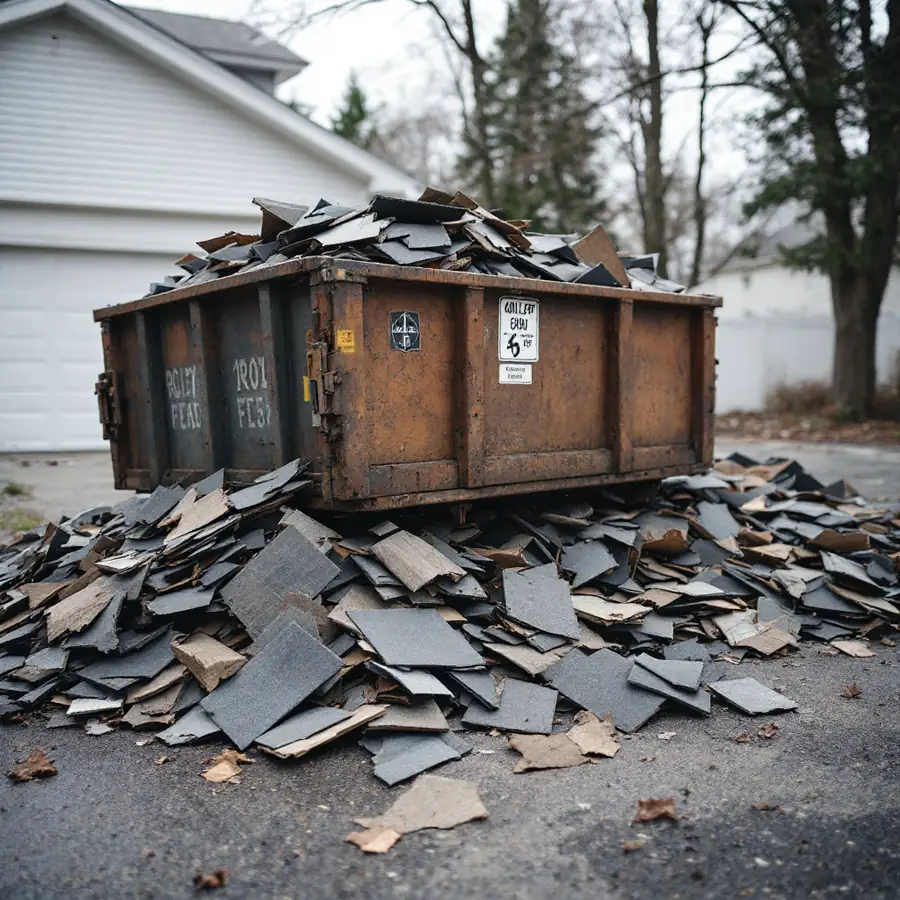
Every existing layer is labor and disposal. A roof with two old layers costs more to remove than a single layer, before a single new shingle is laid.
Decking condition
Nobody knows what the decking looks like until the old roof is off. Rotted sheathing is the most common reason a final invoice exceeds the estimate.
Material class
Three-tab asphalt is the floor; architectural shingle, standing-seam metal and tile climb steeply from there. Metal often costs two to three times asphalt and lasts two to three times longer.
Code upgrades
Bringing an old roof to current code, ice barrier, ventilation, drip edge, is sometimes a policy line item and sometimes yours. Ask which before signing.
Season and demand
After a major hail event, every contractor in the metro is booked and prices rise. The cheapest time to replace a roof is the season nobody else is replacing theirs.
Reading an estimate honestly
A credible estimate names the shingle line, states the number of squares, separates tear-off from install, and says what happens if decking is bad. An estimate that is a single number on a page is not an estimate, it is a hope. Where a contractor offers to "cover your deductible", treat it as a signal to walk away: in many states that is insurance fraud, and it tells you what else they are willing to do.
How to Tell
Signs your roof was damaged, from the ground
You do not need to climb it, and after a hailstorm you should not. Almost everything an inspector confirms on the roof leaves evidence you can see safely.
Granules in the gutters
Asphalt shingles shed their mineral surface when hail hits. A heavy line of granules in the downspout splash after a storm is the most common first sign.
Dents in soft metal
Gutters, downspouts, vents, flashing and air-conditioning fins dent at hail sizes that only bruise shingles. If the metal is dented, the roof was hit.
Bruises you can feel
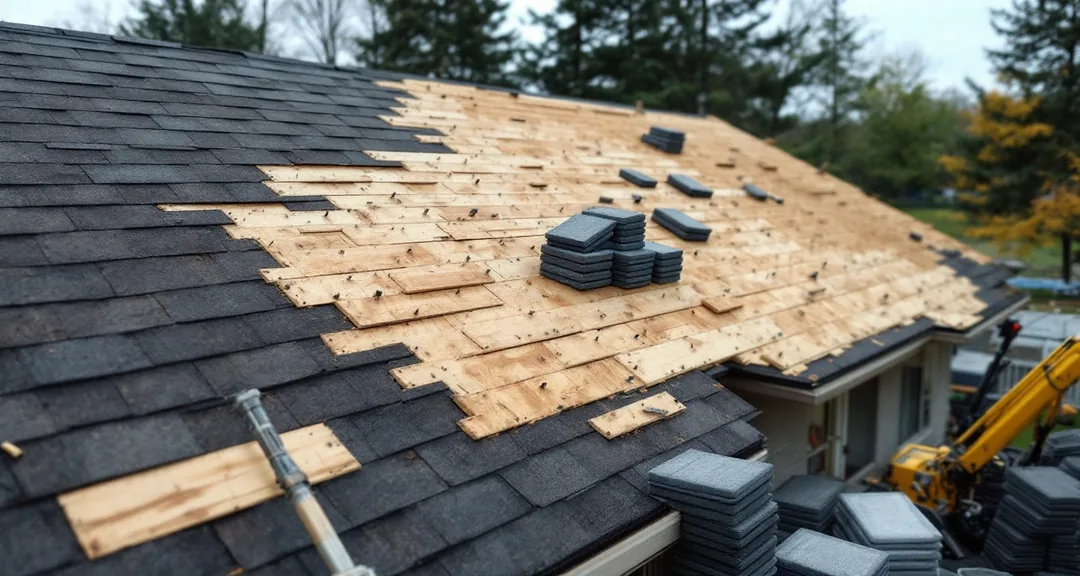
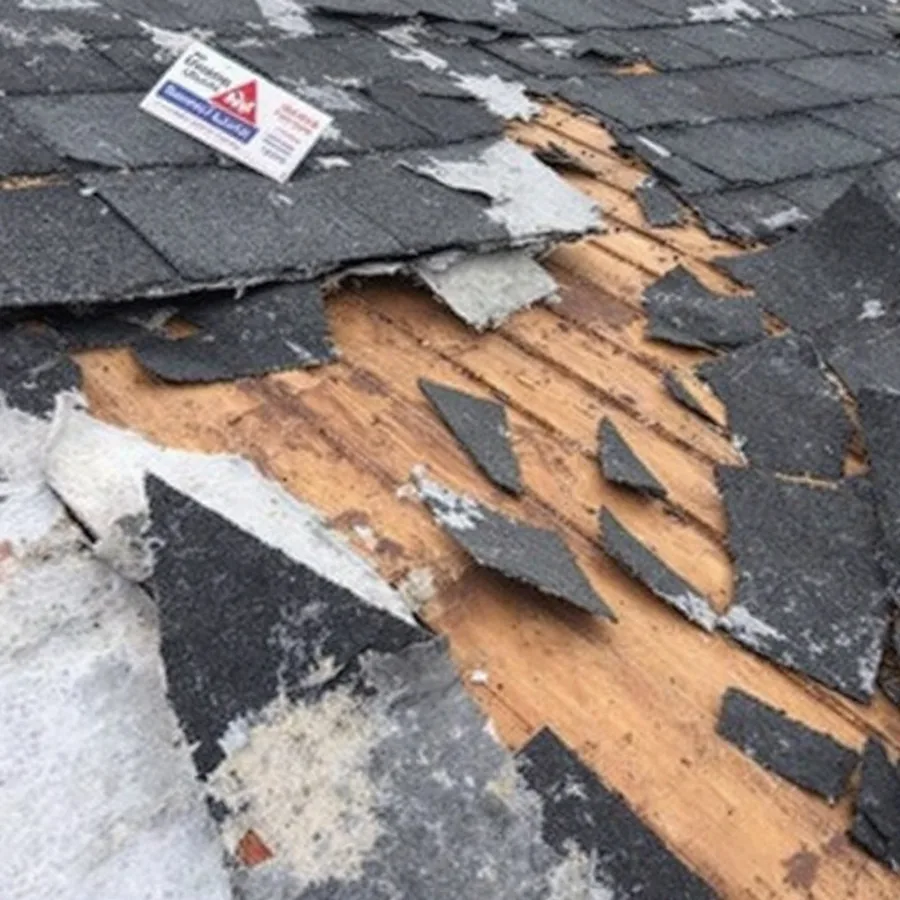
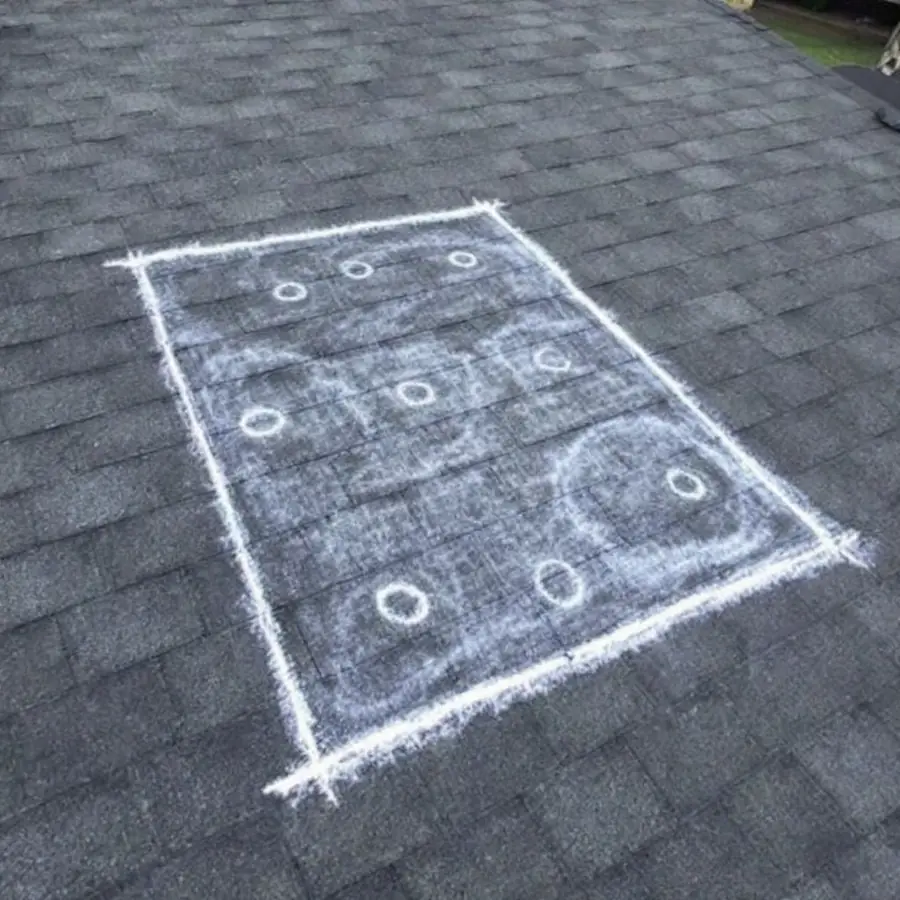
A hail bruise is a dark circle where granules are gone and the mat underneath gives slightly, like a bruised apple. Inspectors find them by touch more than by eye.
Shingles out of line
Wind lifts and reseats shingles imperfectly. A row that reads slightly out of alignment from the street usually means the seal strip broke.
Light in the attic
Daylight through the decking is a puncture. Check the attic in daylight with the lights off, it costs nothing and finds what a ground inspection cannot.
Stains that appear later
A ceiling stain weeks after a storm is normal: the roof opened, the next rain came through. Late leaks do not mean the storm was not the cause.
General storm safety guidance is published by the National Weather Service. Structural guidance on wind and impact performance comes from FEMA Building Science.
What to Put Back
Choosing what goes back on the roof
A replacement is the one moment when changing material costs almost nothing extra in labor. In a hail region the decision is less about looks than about how the covering behaves the next time.
Three-tab asphalt
The cheapest option and the most easily damaged. In a hail-prone county it often means replacing again after the next significant storm.
Architectural asphalt
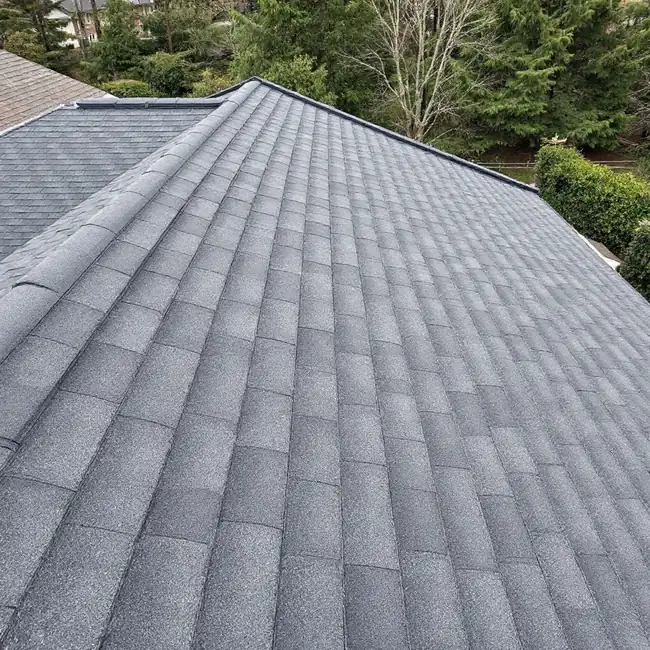
The default on most American homes: thicker, heavier, noticeably more resistant to bruising, and only modestly more expensive than three-tab.
Impact-rated shingle
Tested to a Class 4 impact standard. Several insurers discount premiums for them in hail states, worth asking your carrier before choosing, because the discount can outrun the price difference.
Standing-seam metal
Long-lived and excellent against wind, but dents under large hail, and cosmetic-damage exclusions are most common on exactly this material. Read that clause before you buy the roof.
Tile
Very long service life and common in the Southwest. Individual tiles crack under large hail, and matching a discontinued profile years later is the recurring problem.
Reflective and cool roofing
A lighter, more reflective surface lowers attic temperature and cooling load in hot climates. The EPA covers where the trade-off pays off.
Start to Finish
What a replacement actually involves
A straightforward residential roof is one to three days on site. Most of the calendar is what happens before anyone arrives.
Documentation
Photographs, storm date, and a written inspection. This is what a claim rests on, and it is worth doing before the adjuster rather than after.
The claim
You file; the carrier sends an adjuster. A contractor who has done this before will meet the adjuster on the roof, which changes how the scope is written.
Scope and estimate
The insurer's scope and the contractor's estimate rarely match on the first pass. Differences are negotiated with line items and photographs, not opinions.
Tear-off
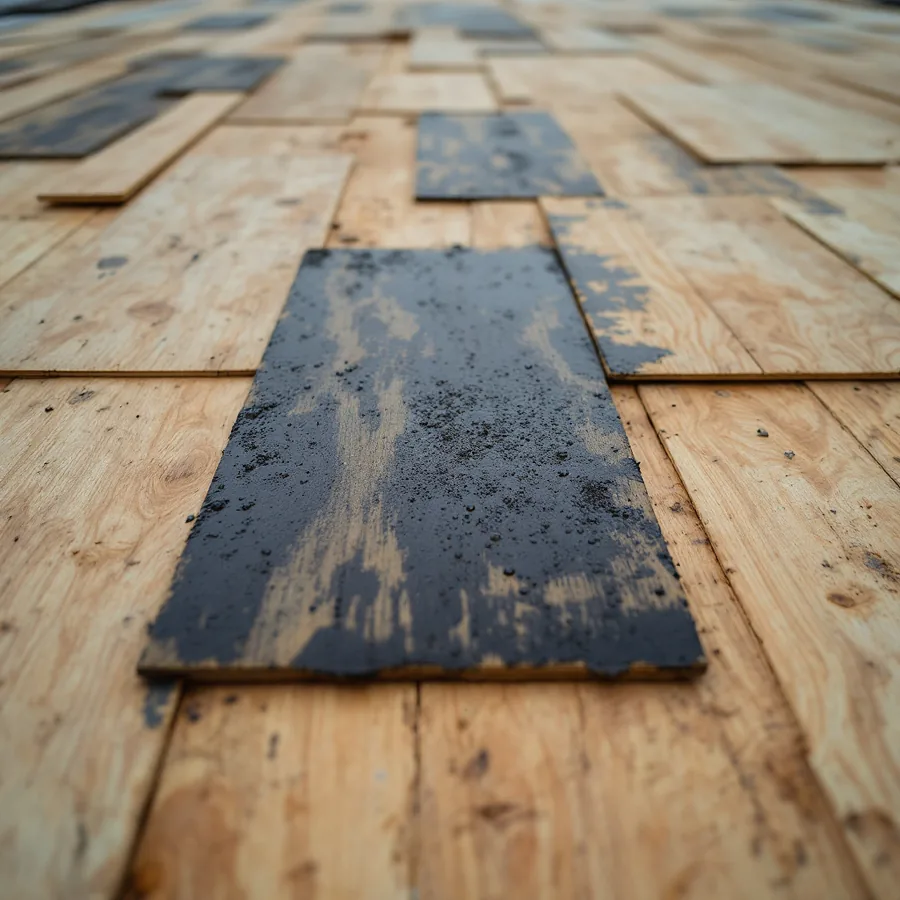
Old layers come off and the decking is finally visible. Rot and delamination are repaired now, this is where change orders legitimately appear.
Dry-in and install
Underlayment, ice barrier where code requires it, then the covering, flashing and ventilation. Ventilation is the step most often skipped and the one that decides how long the roof lasts.
Final inspection
Magnet sweep for nails, photographs of completed work, and the paperwork your insurer needs to release the depreciation held back on a replacement-cost policy.
Straight Answers
Roof replacement questions, answered
How big does hail have to be to damage a roof?
About one inch, the size of a quarter, is where asphalt shingles begin to bruise, and it is also the National Weather Service threshold for a severe thunderstorm. Below three quarters of an inch, damage on a sound roof is unlikely. Above one inch it becomes probable, and above two and a half inches hail starts puncturing rather than bruising.
Does filing a hail claim raise my premium?
A weather claim is not treated like an at-fault claim, but it is not free either. Carriers price by area risk as well as by household, so in a county with repeated hail the premium tends to move whether or not you personally file. What reliably costs money is not filing on genuine damage and paying for the roof yourself.
My roof is fifteen years old. Is it still worth claiming?
Yes, but check whether your policy pays replacement cost or actual cash value first. On an older roof under an actual-cash-value policy, depreciation can reduce the payment below the deductible, which changes the arithmetic entirely.
Can I tell there is damage without going on the roof?
Usually. Granules in the gutters, dents in soft metal, shingles out of alignment and daylight in the attic are all visible from the ground or inside. After hail, climbing the roof yourself risks both injury and additional damage that complicates the claim.
How long do I have to file?
Policies set their own reporting window and states set their own limits on how long a carrier has to respond. The practical answer is to report as soon as you have documentation: the longer the gap between storm and claim, the more room there is to argue the damage came from something else.
What does a roof replacement cost?
It is priced per square, 100 square feet, and a typical house is 15 to 30 squares. Pitch, number of layers to remove, decking condition, material class and post-storm demand all move the total, which is why an estimate that is a single number without a scope is not usable.
Should I use the contractor my insurer recommends?
You are entitled to choose. A carrier's preferred contractor is not automatically worse, but their scope is negotiated with the carrier rather than with you. Whoever you use should be licensed and insured in your state and willing to put the shingle line and square count in writing.
Are you a roofing company?
No. We are a matching service: we research the storm record, publish what it means, and connect homeowners with independent licensed and insured roofing companies in their area. We do not perform the work and we do not adjust claims.
Where This Comes From
Sources
Every number on this page is either computed by us from a named public dataset or cited to the agency that publishes it.
Last updated . We revise this page when the underlying federal data is republished, not on a schedule.
- Hail counts and damage estimates, our own aggregation of the NOAA NCEI Storm Events database, county-level hail reports, 2006 to 2025.
- Severe hail threshold and storm safety, National Weather Service.
- Wind and impact performance of building envelopes, FEMA Building Science.
- Claims handling after a declared storm (Texas), Texas Department of Insurance.
- Reflective roofing and cooling load, US Environmental Protection Agency.
- Housing age and condition, American Housing Survey, US Census Bureau.
Before you call anyone
The independent match — we are paid for the introduction, not for the size of your job
Most roofing advice is written by the company that wants to do the work. That is not a failing of the people who read it; it is a defect in who is talking. The estimate, the diagnosis and the invoice come from one party, and no amount of care on your side fixes that.
We are built the other way round. We do not repair roofs and we do not sell materials, so the payment reaches us when you are connected to a licensed, insured roofing company — the same amount whether your roof needs an eight-hundred-dollar repair or a twenty-thousand-dollar replacement. Nobody here has a reason to talk you into the larger number. How we make money and how we research are both written down.
Waiting is the one thing that actually costs money. An insurance clock runs from the date of the damage rather than the date you noticed it, and damage that sits through a season stops reading as sudden and starts reading as wear — which is the exclusion that pays nothing. And if your roof is simply worn out, say so on the call. No claim will pay for age, we will tell you that plainly, and you will have lost nothing but the call.