Before You Call Anyone
Roof inspection, what it covers and what it costs
Most roof inspections in America are free. That is not generosity: a free inspection is performed by a company that earns money replacing roofs. This page explains what an inspection actually covers, about an hour of work, roughly half of it off the roof surface, when a free one is fine, when it is not, and what belongs in a report you can rely on.
(844) 833-2185Toll-free and answered every day of the year. The call reaches an independent licensed and insured roofing company covering your area, we do not do the work ourselves, which is exactly why we can tell you when you do not need it.
The Trigger
When a roof inspection is actually worth paying for
Roofs do not need annual check-ups the way boilers do. There are five moments when an inspection earns its fee, and a lot of time in between when it does not. Two numbers decide most of it: 15 years of roof age, and 1″ of hail, the size at which shingles stop shrugging stones off and start bruising.
After hail
The single most valuable moment, because the evidence degrades. Across US counties there were 151,411 hail events of an inch or larger between 2006 to 2025, and the damage from each stops being provable long before it stops being real. Granule loss weathers, and the further you get from the storm date the easier it is for anyone to argue the damage came from age instead.
After high wind
Wind breaks the seal strip that holds shingles down without necessarily removing them. The roof looks intact from the street and leaks in the next storm.
Before buying a house
A general home inspector checks the roof among forty other things. On a roof over fifteen years old the remaining service life is worth its own opinion, because it moves the price.
Before filing a claim
An independent report written before the adjuster visits changes what the negotiation starts from. Afterwards you are arguing against a scope that is already written.
When the roof is ageing
Past about fifteen years, knowing whether you have one year left or five is what lets you plan the material decision and replace on your own schedule rather than after a storm, when every crew in the region is booked.
When you should not bother
A roof under ten years old with no storm history rarely needs a routine inspection. Check the gutters for granules after storms and keep the fee.
The Part Nobody Explains
Free inspection or paid inspection?
Both are legitimate. They answer different questions, and confusing them is how homeowners end up with a replacement they did not need, or without one they did.
What a free inspection is
A roofing company sends someone at no charge to look at your roof. They are competent, they climb roofs daily, and they are paid by selling roofing work. The visit is real diagnosis and real marketing at the same time.
When free is the right choice
When you already know you need work and are choosing who does it. When damage is obvious. When you want a second opinion on a quote you already have. In all of these you are shopping, not diagnosing.
When to pay instead
When the answer decides money: buying a house, filing a claim, or deciding whether a roof has years left. Paying removes the conflict, an inspector with no work to sell has no reason to find any.
The tell to watch for
Pressure to sign anything on the first visit, an offer to "handle the insurance for you", or a suggestion that your deductible can be covered. Real findings survive a night of thinking about them.
What both should give you
Photographs, in writing, that you keep, whether or not you hire them. A company unwilling to leave you the evidence is telling you what the visit was for.
Choosing whoever you use
Licensed and insured in your state, willing to name the shingle line and square count in writing. Federal guidance on hiring home-improvement contractors covers the paperwork worth insisting on.

Free Instant Tool
Do you need one, and which kind?
Tell us why you are asking and how old the roof is. You get a straight read on urgency, whether a free look is enough, and exactly what to make sure ends up documented. Orientation, not a quote.
,
What Gets Checked
What a competent inspection actually covers
A roof inspection is not a walk around the house. Roughly half of it happens somewhere other than the roof surface.
On the roof
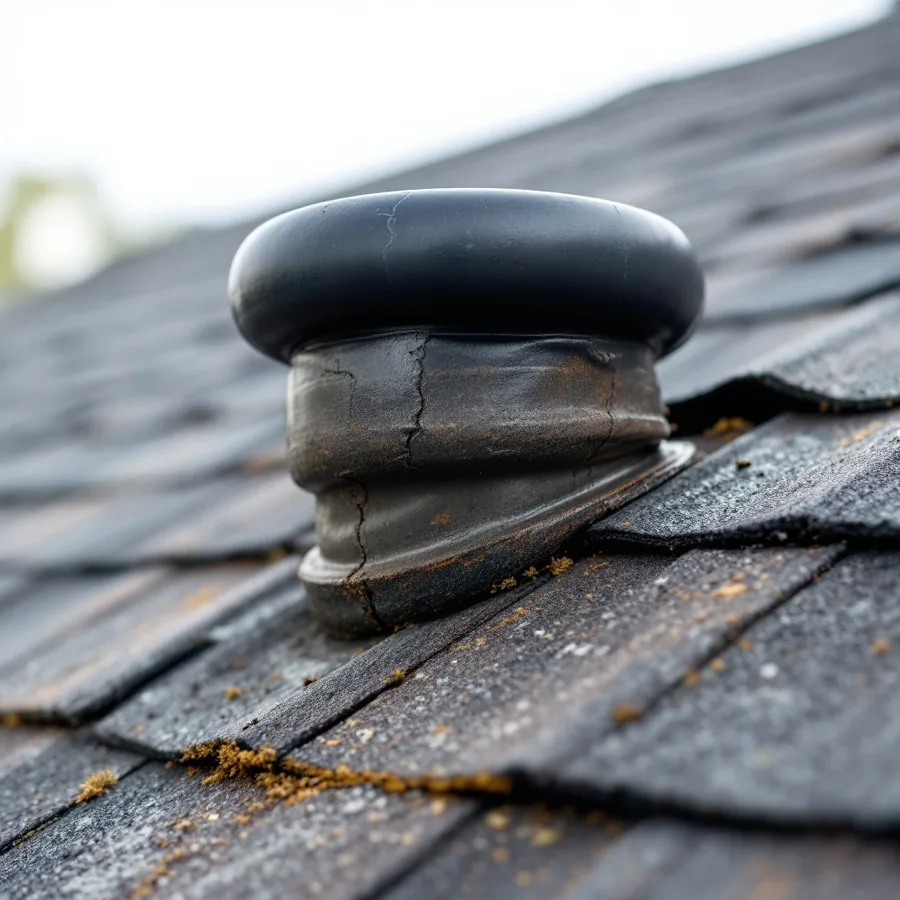
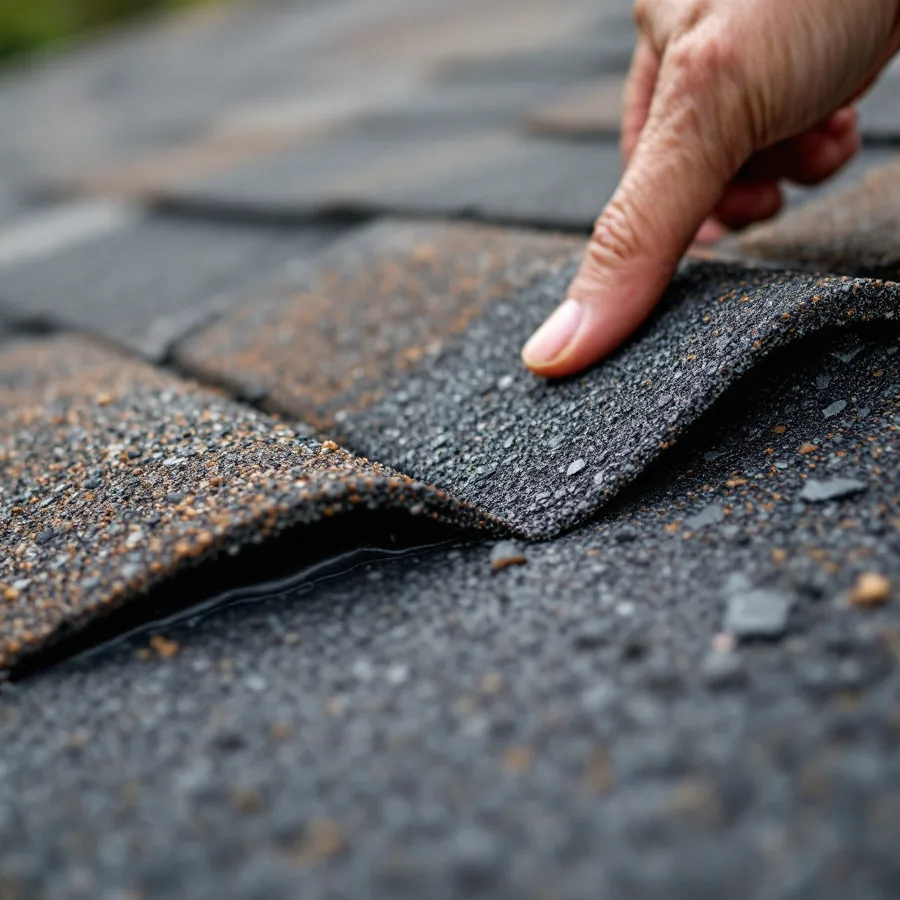
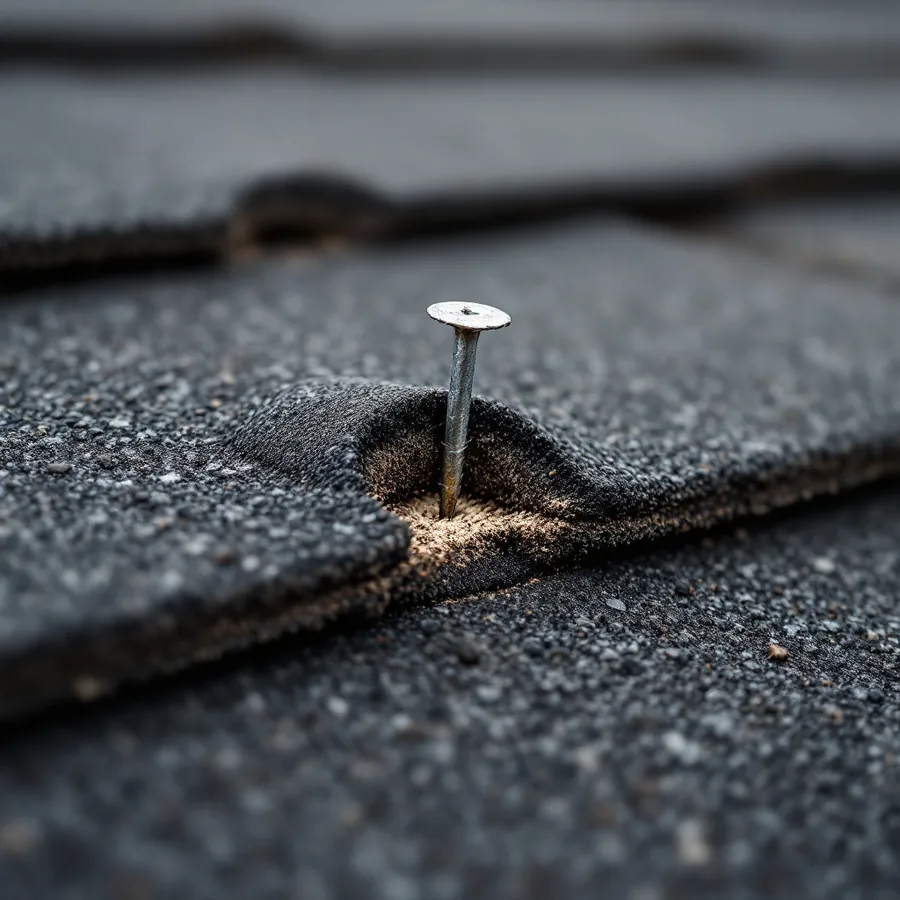
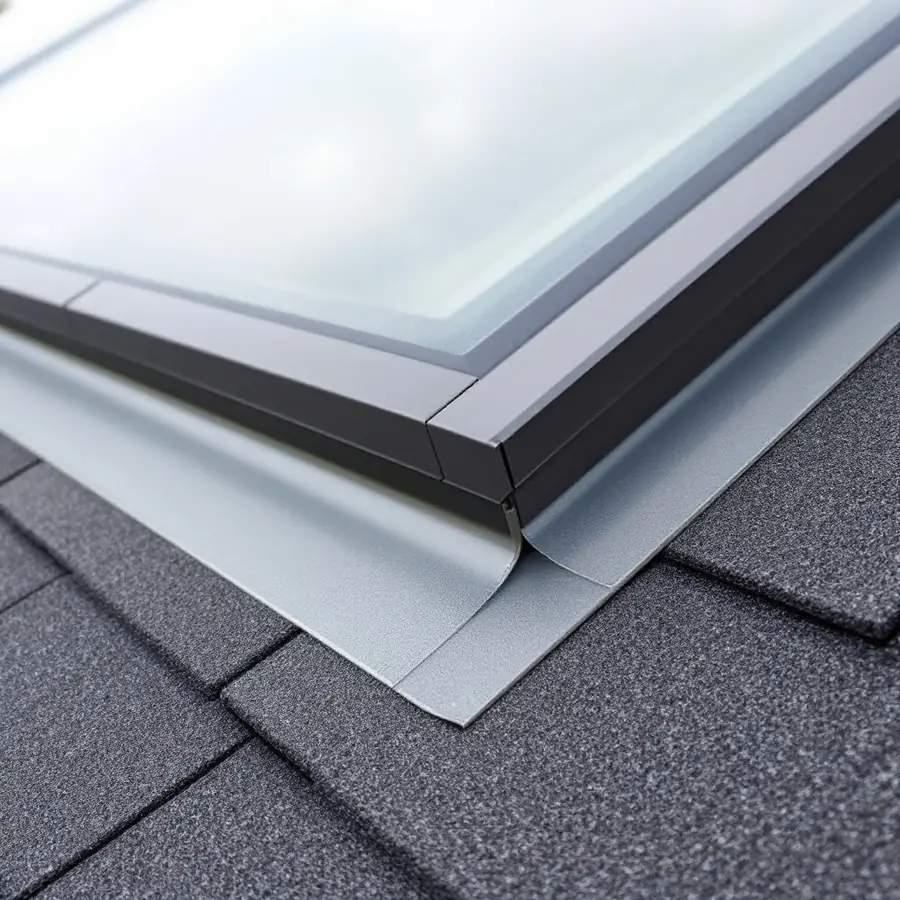
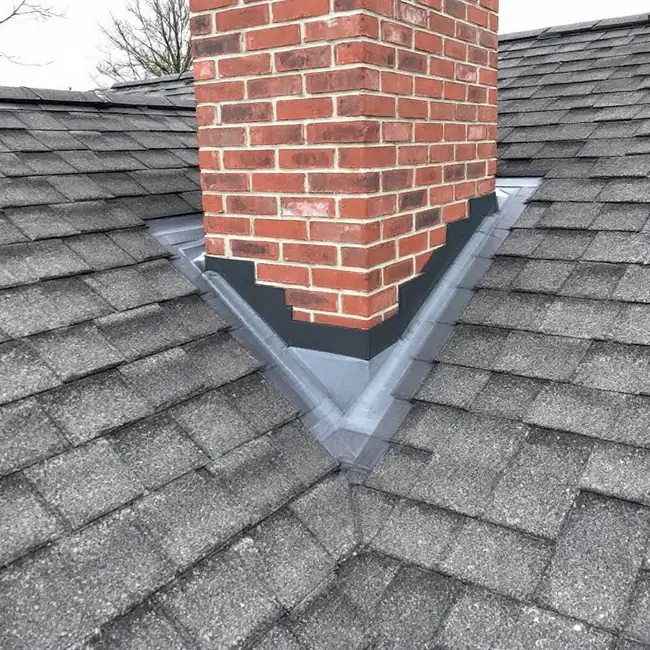
The covering itself, granule loss, bruising, cracked or curled shingles, and whether the seal strips are still holding. Then the parts that fail before the shingles do: flashing at chimneys, walls and valleys, boot seals around vent pipes, ridge and hip caps, and any penetration where something passes through the roof. Most leaks begin at a penetration, not in the middle of a slope.
From the ground
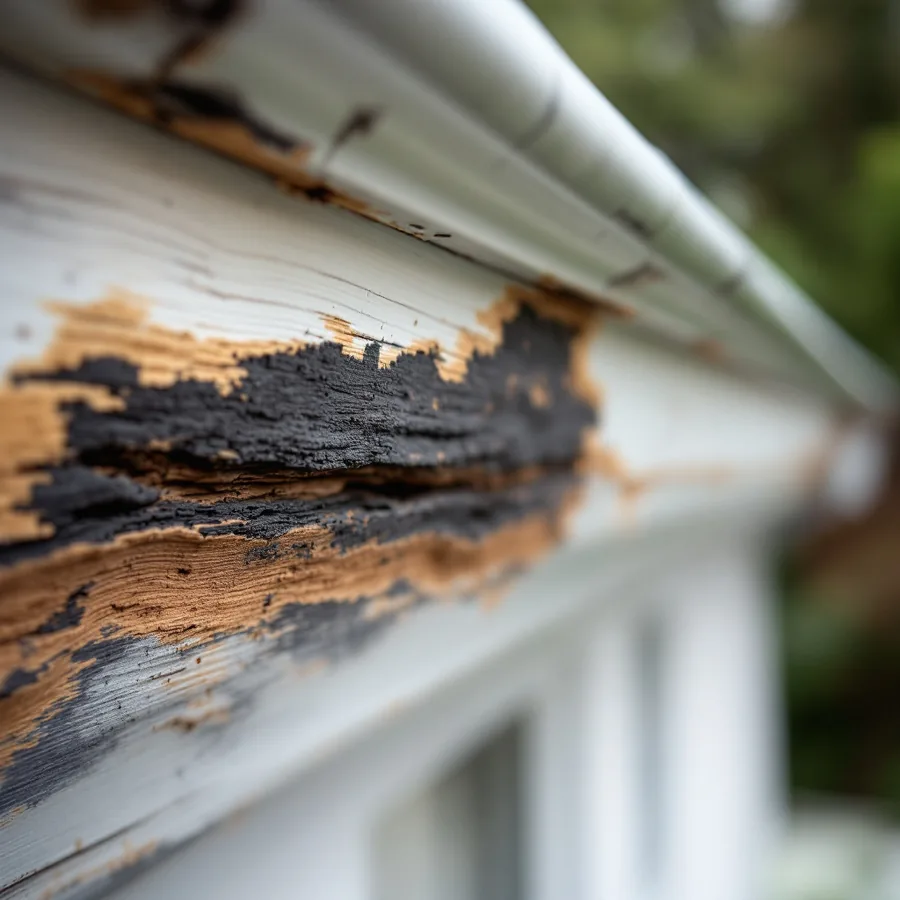
Gutters and downspouts for granule accumulation, soft metal for impact dents, fascia and soffit for rot, and the general plane of the roof for sagging. Dents in gutters and vents are the evidence adjusters trust most, because unlike shingle bruising they cannot be attributed to age or foot traffic.
In the attic
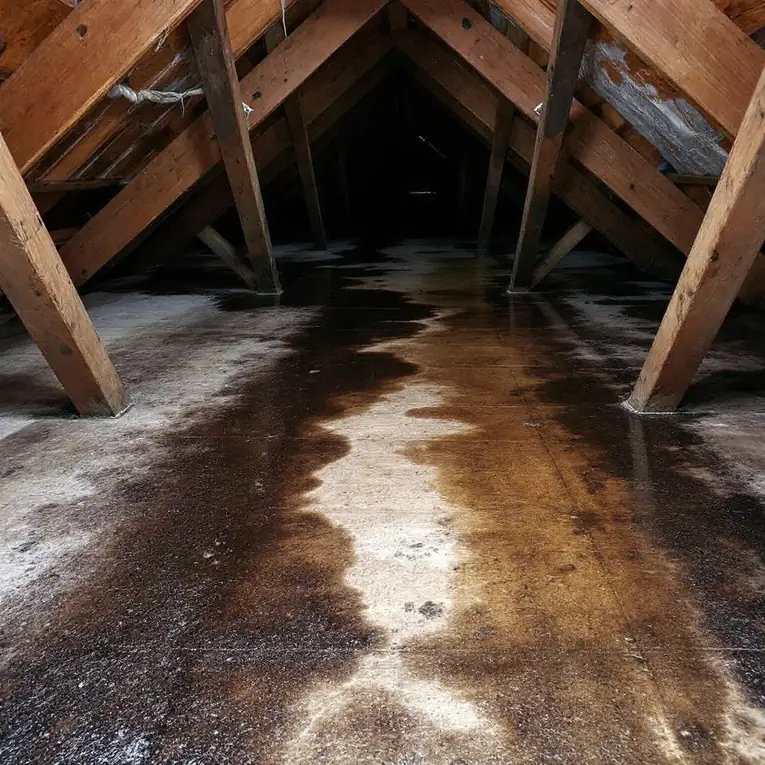
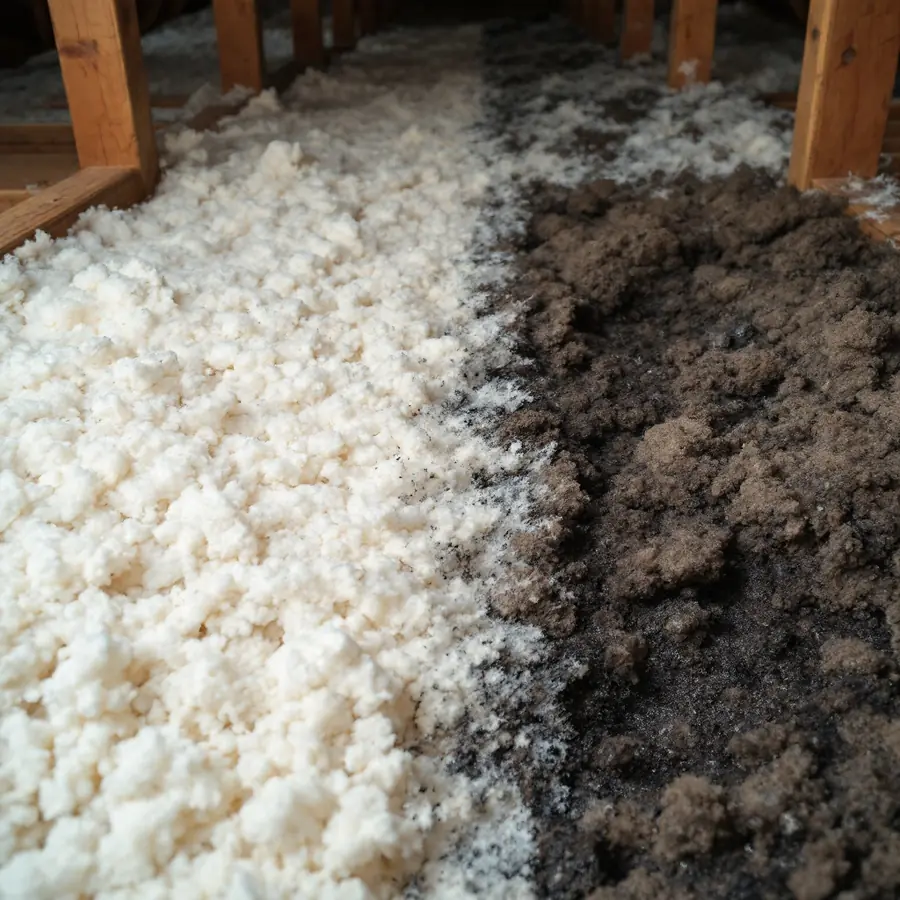
The half that separates a real inspection from a look. Daylight through the decking, moisture staining on rafters, compressed or wet insulation, and whether the ventilation actually works. A roof that cannot breathe cooks its own shingles from underneath and fails years early, and no amount of surface inspection will show it.
On paper
Age, layer count, previous repairs, and whether the current covering was installed over an old one. Two layers change both the cost and the code position of any replacement.
Structural guidance on roof and envelope performance is published by FEMA Building Science.
What It Costs
What an independent inspection costs
Paid inspections are priced by the visit, not by the square, and the range is wide because the work behind them differs.
What moves the price
Roof size and pitch, whether the inspector walks the roof or uses a drone, whether an attic inspection is included, and how detailed the written report is. A one-page summary and a twenty-page documented report are not the same product.
Bundled with a home inspection
Cheaper, and correspondingly shallower, the roof is one line item among many. Reasonable on a newer roof, thin on an old one.
What you are buying
Not the visit: the report. If the fee does not include documentation you keep, you have paid for a conversation.
Weigh it against what it decides. On a house purchase the fee is a rounding error against a roof that turns out to have two years left. Before a claim, it is small against the difference between a repair scope and a replacement scope. On a routine check of a ten-year-old roof with no storm history, it usually is not worth it.
The Deliverable
What belongs in the report
The report is the product. These are the parts that make it useful months later, when the roof looks different and memory has faded.
Dated photographs
Wide shots that establish location, then close-ups that show the defect. A close-up with nothing around it proves nothing about which roof it came from.
Slope-by-slope findings
Damage described per elevation, not "the roof has hail damage". Insurers write scope by slope, so a report organized the same way is far harder to reduce.
Scale in the frame
A coin, a chalk circle, a tape measure. Hail bruising means nothing in a photograph without something to size it against.
The attic section
If it is missing, the inspection was surface only. Say so out loud when comparing two reports.
Condition, not just damage
Age, remaining service life, ventilation adequacy. Damage tells you about one event; condition tells you what to plan for.
Your copy, unconditionally
Delivered whether or not you hire them. This single line separates a diagnosis from a sales call more reliably than the price does.
How They Look
Ladder, drone or satellite
Method matters less than people think, with one exception that matters a great deal.
Walking the roof
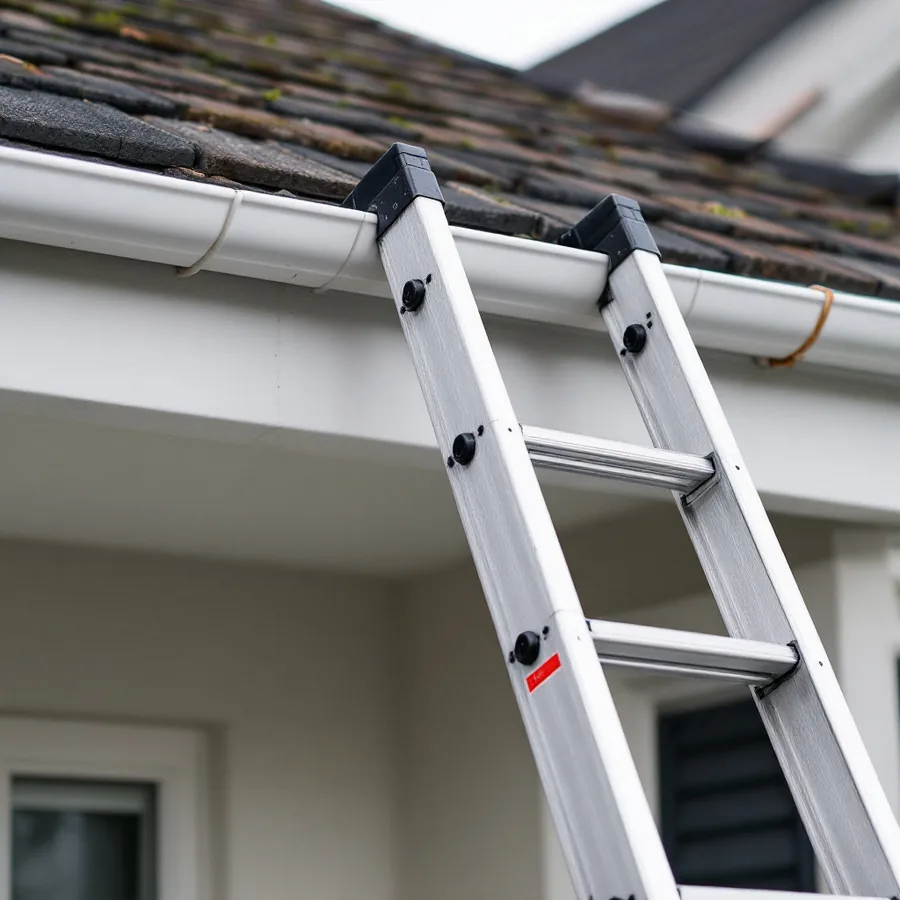
Still the standard, because bruising is found by touch as much as by eye. Not possible on steep pitches, tile, or a roof already compromised enough to be unsafe.
Drone
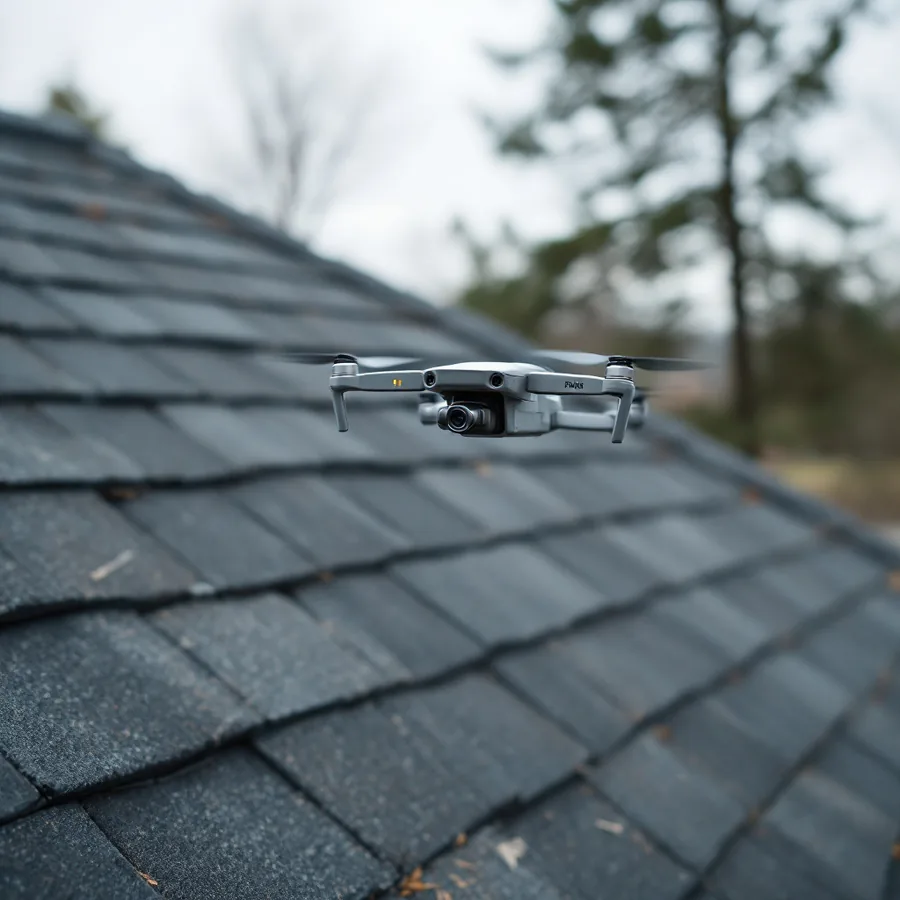
Excellent for steep and fragile roofs and for wide documentation. Anyone flying a drone commercially in the United States must hold an FAA Part 107 certificate, a fair question to ask, and one most homeowners never think of.
Satellite and aerial imagery
Used for measurement and for reconstructing what a roof looked like before a storm. Useful as supporting evidence, useless for finding bruising.
The exception that matters
No method substitutes for the attic. A drone produces beautiful imagery of a surface and cannot see a wet rafter, compressed insulation or a ventilation path that stopped working. If a report has no attic section, it examined half the roof, however good the photographs are.
Straight Answers
Roof inspection questions, answered
Is a free roof inspection a scam?
No. It is a real inspection performed by someone who earns money replacing roofs. That is a conflict of interest, not fraud. It is the right choice when you already know you need work and are choosing a contractor, and the wrong one when the answer itself decides money.
How much does a roof inspection cost?
Paid inspections are priced per visit and vary with roof size, pitch, method and how detailed the report is. The useful question is not the fee but what it decides: before a house purchase or an insurance claim it is small against the sum at stake.
How long does it take?
A thorough one takes roughly an hour on an average house, including the attic. A ten-minute walk-around is a look, not an inspection, which may be all you need if you are simply choosing a contractor.
Do I need one before filing a hail claim?
It is not required, but an independent report written before the adjuster visits changes what the negotiation starts from. Scopes are easier to argue up from evidence than down from an opinion.
Can I inspect the roof myself?
You can do the ground half and the attic half, and they are more informative than people expect: granules in the gutters, dents in soft metal, daylight through decking. Do not climb the roof after hail, it is unsafe and foot traffic creates marks that complicate a claim.
Does a home inspector cover the roof?
Yes, among many other systems, usually from the ground or a ladder at the edge. On a newer roof that is enough. On one past fifteen years, a roof-specific inspection answers the question that actually moves the price: how much life is left.
Is a drone inspection as good?
For steep, fragile or unsafe roofs it is better, and the imagery is excellent. It cannot replace touch for finding bruising or the attic for finding moisture. Ask whether the operator holds an FAA Part 107 certificate; commercial flight without one is not legal.
Do you perform inspections?
No. We are a matching service: we publish research on storm and hail damage and connect homeowners with independent licensed and insured roofing companies. We do not inspect, repair, or adjust claims.
Where This Comes From
Sources
- Roof and building-envelope performance, FEMA Building Science.
- Hiring home-improvement contractors, US Department of Housing and Urban Development.
- Commercial drone operation (Part 107), Federal Aviation Administration.
- Claims handling after a declared storm (Texas), Texas Department of Insurance.
- Severe hail threshold and storm safety, National Weather Service.
- County hail records, our own aggregation of the NOAA NCEI Storm Events database, 2006 to 2025. See what the record says for your area.
Last updated .
Before you call anyone
The independent match — we are paid for the introduction, not for the size of your job
Most roofing advice is written by the company that wants to do the work. That is not a failing of the people who read it; it is a defect in who is talking. The estimate, the diagnosis and the invoice come from one party, and no amount of care on your side fixes that.
We are built the other way round. We do not repair roofs and we do not sell materials, so the payment reaches us when you are connected to a licensed, insured roofing company — the same amount whether your roof needs an eight-hundred-dollar repair or a twenty-thousand-dollar replacement. Nobody here has a reason to talk you into the larger number. How we make money and how we research are both written down.
Waiting is the one thing that actually costs money. An insurance clock runs from the date of the damage rather than the date you noticed it, and damage that sits through a season stops reading as sudden and starts reading as wear — which is the exclusion that pays nothing. And if your roof is simply worn out, say so on the call. No claim will pay for age, we will tell you that plainly, and you will have lost nothing but the call.